
Why Is My Automatic Cartoning Machine Jamming? 5 Common Causes
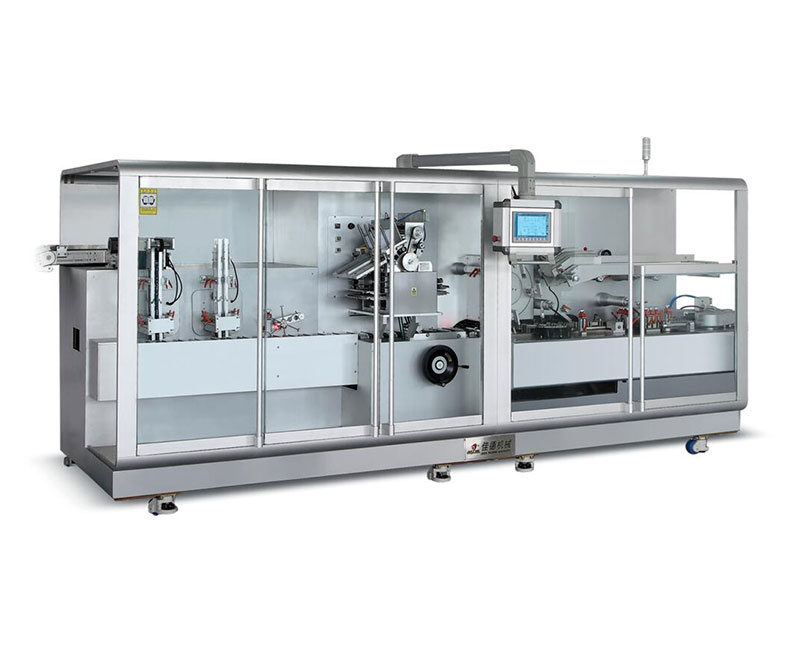
A production manager recently described a scene that plays out in packaging facilities every day: “Our automatic cartoning machine jams at least three times per shift. Sometimes it is at the carton pick-off. Sometimes at product loading. Sometimes at the closing station. Each jam costs us 5–10 minutes of downtime and scraps 20–30 cartons. By the end of the week, we have lost half a shift to jams alone.” If this sounds familiar, you are not alone. Frequent jams are the single biggest drain on packaging line efficiency for many manufacturers. But here is the good news: most jams are not random failures. They are predictable outcomes of specific mechanical or material conditions. This article walks you through the five most common causes of jams on automatic cartoning machines—and what you can do about each one.
The Real Cost of a Jam
Before diving into causes, it is worth understanding what each jam actually costs your operation. A 5‑minute jam may not seem like much, but when it happens 3–5 times per shift, the numbers add up quickly.
| Cost Component | Typical Impact |
|---|---|
| Lost production time | 5–10 minutes per jam × multiple jams per shift = hours of lost output weekly |
| Scrapped materials | 20–30 cartons per jam, plus any damaged product inside |
| Operator frustration | Repeated jams reduce morale and may cause operators to run machines slower to “avoid problems” |
| OEE reduction | Each jam directly reduces your Overall Equipment Effectiveness |
Modern automatic cartoning machines are equipped with features designed to minimize jams—including optical sensors that detect missing leaflets or products and automatic rejection of non-conforming cartons. Yet even the best machines can jam when certain conditions are not met. Understanding the root causes is the first step toward prevention.
Cause #1 – Carton Quality Issues
The most overlooked cause of jams is the carton itself. Your cartoning machine is designed to handle cartons within specific tolerances. When cartons deviate from these tolerances, jams follow.
What can go wrong:
| Carton Issue | How It Causes Jams |
|---|---|
| Inconsistent dimensions | Cartons that are slightly too wide or too narrow bind in the guide rails |
| Poor scoring | Weak or misaligned scores prevent cartons from folding cleanly |
| Warped or curled cartons | Cartons do not feed smoothly from the magazine |
| Variable board thickness | Affects how cartons behave during folding and sealing |
| Sticking or tacky surfaces | Cartons in the magazine stick together and fail to pick |
How to address it:
-
Inspect incoming cartons. Measure 10 cartons from each delivery against your machine’s specified tolerance range. Many automatic cartoning machines support a range of carton widths (35–85 mm), but individual cartons must still fall within consistent tolerances.
-
Work with your carton supplier. Share your machine’s specification sheet so they can produce cartons within the required tolerances.
-
Store cartons properly. Humidity and temperature fluctuations can cause warping. Store cartons in a climate‑controlled environment.
Cause #2 – Suction Cup and Magazine Issues
The carton magazine and pick‑off assembly is one of the most common jam locations. The mechanism is simple: a suction cup picks a flat carton blank from the magazine and transfers it to the transport chain. When this process fails, the jam is immediate and obvious.
What can go wrong:
| Suction Cup Issue | How It Causes Jams |
|---|---|
| Worn or hardened cups | Reduced suction force; carton slips or drops |
| Cracked or torn cups | Loss of vacuum; carton not picked |
| Debris buildup | Paper dust or adhesive on cup surface; poor seal |
| Incorrect cup position | Cup misses the carton surface or contacts at the wrong angle |
How to address it:
-
Inspect suction cups daily. Look for cracks, hardening, or debris. Replace immediately if damaged.
-
Clean suction cups regularly. Paper dust from cartons accumulates and reduces suction effectiveness.
-
Verify cup alignment. Ensure the suction cup contacts the carton squarely and at the correct position.
-
Monitor vacuum pressure. A drop in pressure often indicates a worn or damaged cup before a jam occurs.
Modern cartoning machines are designed with independent mold and guide rail systems that allow for fast and tool‑free carton size adjustments, which also makes suction cup access and replacement quicker and easier.
Cause #3 – Guide Rail Misalignment
Guide rails direct cartons through the transport chain, through folding stations, and to discharge. If rails are too tight, cartons bind and jam. If rails are too loose, cartons shift, tilt, and catch on downstream components.
What can go wrong:
| Rail Issue | How It Causes Jams |
|---|---|
| Rails set too tight | Cartons bind; transport motor strains; jams occur |
| Rails set too loose | Cartons shift; edges catch on folding stations |
| Uneven rail gaps | Cartons twist as they travel; jams at transition points |
| Worn or damaged rails | Rough surfaces or burrs catch carton edges |
How to address it:
-
Use a feeler gauge or credit card test. Set rail clearance to carton width plus 1–2 mm per side. The carton should move smoothly with slight resistance—not too tight, not too loose.
-
Check rails at multiple points. Rail alignment can drift along the length of the machine. Verify clearance at the magazine exit, mid‑transport, and before the closing station.
-
Inspect rails for wear. Replace rails that have developed burrs, scratches, or uneven wear patterns.
Modern servo‑driven cartoning machines provide accurate motion control via servo motors and synchronized feeding to ensure reliable and consistent performance. However, even servo‑driven machines cannot compensate for misaligned guide rails—mechanical setup remains essential.
Cause #4 – Sensor and Detection System Issues
Automatic cartoning machines rely on sensors to detect products, leaflets, and carton positions. When sensors are dirty, misaligned, or malfunctioning, the machine may stop unnecessarily—or worse, fail to stop when a problem occurs.
What can go wrong:
| Sensor Issue | How It Causes Jams |
|---|---|
| Dirty sensor lenses | Dust or adhesive residue blocks the sensor; false readings |
| Misaligned sensors | Sensor does not detect the product or carton correctly |
| Failing sensors | Intermittent signals cause random stops or missed detections |
| Improper sensor sensitivity | Sensor triggers too early or too late |
Modern cartoning machines feature optical sensors that detect missing leaflets or products, and sensor‑based verification to ensure minimal deviation during continuous operation. But these sensors only work when they are clean and properly aligned.
How to address it:
-
Clean sensor lenses daily. Use a soft, lint‑free cloth. Compressed air can be used for hard‑to‑reach areas.
-
Verify sensor alignment during changeovers. When you change carton or product sizes, confirm that sensors are positioned correctly for the new format.
-
Monitor sensor status on the HMI. Most modern machines display sensor status in real time. Use this to identify intermittent sensor issues before they cause jams.
-
Replace aging sensors proactively. Photoelectric sensors can degrade over time. If you notice increasing false triggers, consider replacement.
Cause #5 – Operator Error and Procedural Issues
Even the best‑maintained machine will jam if operators are not following correct procedures. This is not about blaming operators—it is about recognizing that training and procedures matter.
What can go wrong:
| Operator Issue | How It Causes Jams |
|---|---|
| Incorrect format part installation | Parts installed slightly off‑position cause misalignment |
| Skipping the verification step | Running at full speed before verifying setup leads to jams |
| Forcing jams instead of stopping | Pushing through a jam damages components and causes repeat jams |
| Ignoring HMI warnings | Small issues escalate into major jams |
| Inconsistent changeover procedures | Different operators set up the machine differently |
How to address it:
-
Standardize changeover procedures. Document each step and post the procedure at the machine. Ensure all operators follow the same sequence.
-
Implement a verification step. After any changeover, run 20–30 cartons at low speed and inspect every one before ramping up to production speed.
-
Train operators to stop and clear jams properly. Forcing a jam through the machine almost always causes more damage—and more jams.
-
Use the HMI for guidance. Modern machines feature PLC‑based automation with full‑process monitoring and an HMI touchscreen interface. Train operators to use diagnostic information to identify issues early.
A Practical Troubleshooting Framework
When a jam occurs, follow this systematic approach rather than guessing:
| Step | Action |
|---|---|
| 1. Stop and observe | Stop the machine immediately. Note exactly where the jam occurred—magazine, transport, loading, or closing. |
| 2. Clear the jam gently | Remove the jammed cartons and products carefully. Do not force anything. |
| 3. Inspect for damage | Check for bent components, damaged cartons, or debris that may have caused the jam. |
| 4. Check the HMI diagnostics | Modern machines provide diagnostic information. Use it to identify the root cause. |
| 5. Test at low speed | After clearing the jam, run 10–20 cartons at low speed to verify the issue is resolved. |
| 6. Log the jam | Record the time, location, and cause. Over time, this log reveals patterns. |
When Jams Persist – Deeper Issues to Investigate
If you have addressed all five common causes and jams continue, the issue may be deeper:
| Persistent Issue | What to Check |
|---|---|
| Worn mechanical components | Transport chains, bearings, and cams wear over time. Schedule a mechanical audit. |
| Upstream issues | If products arrive damaged or misaligned from upstream equipment, the cartoner will jam. Check your blister machine or filler. |
| Downstream backpressure | If downstream equipment (bundler, case packer) is not keeping up, finished cartons back up and cause jams at discharge. |
| Machine design limitations | Some machines are not designed for the product mix or speed you are running. Evaluate whether your machine is appropriately specified. |
For facilities running integrated blister and cartoning lines, remember that jams can originate in the blister section and appear only at the cartoner. A holistic approach to troubleshooting—looking at the entire line, not just the cartoner—is essential.
Prevention Is Better Than Cure
The best way to reduce jams is to prevent them before they happen. Here is a simple prevention checklist:
| Frequency | Action |
|---|---|
| Daily | Clean suction cups; wipe sensor lenses; inspect guide rails for debris; verify carton magazine alignment |
| Weekly | Check suction cup condition; measure rail clearances; review jam log for patterns |
| Monthly | Inspect transport chains and bearings; verify sensor alignment; review operator procedures |
| Per changeover | Verify format part installation; run low‑speed verification test; update changeover log |
Modern cartoning machines are designed with modular assemblies, HMI‑guided diagnostics, and mechanical components designed for tool‑free access and rapid replacement. These features make preventive maintenance faster and easier—but only if you use them.
Next Steps: From Troubleshooting to Consistent Operation
By now, you should have a clear understanding of the five most common causes of jams on automatic cartoning machines:
| Cause | Key Prevention Action |
|---|---|
| Carton quality issues | Inspect incoming cartons; work with supplier on tolerances |
| Suction cup and magazine issues | Daily inspection and cleaning; replace worn cups |
| Guide rail misalignment | Use a feeler gauge to set consistent clearance |
| Sensor and detection issues | Clean lenses daily; verify alignment per changeover |
| Operator error and procedures | Standardize procedures; train all operators |
Once you have addressed these five areas, you should see a significant reduction in jam frequency. If jams persist, use the troubleshooting framework to investigate deeper issues—and consider whether your machine is appropriately specified for your product mix and production volume.
When you are ready to evaluate whether your current cartoning equipment has the design features—such as tool‑free changeover, HMI‑guided diagnostics, and servo‑driven precision—that support reliable, jam‑free operation, you can review cartoning equipment options with advanced jam‑prevention features. For facilities considering a complete line upgrade, exploring integrated pharmaceutical packaging solutions can help you understand how upstream and downstream synchronization reduces jams across the entire production process.
Related Reading
-
How to reduce jam frequency on your automatic cartoning machine: 3 proven fixes
-
How to adjust an automatic cartoner for different product sizes without causing jams
-
2 maintenance hacks that raised uptime on an automatic cartoning machine
-
How to change format parts on an auto cartoning machine fast
-
How to evaluate the true cost of downtime in packaging operations