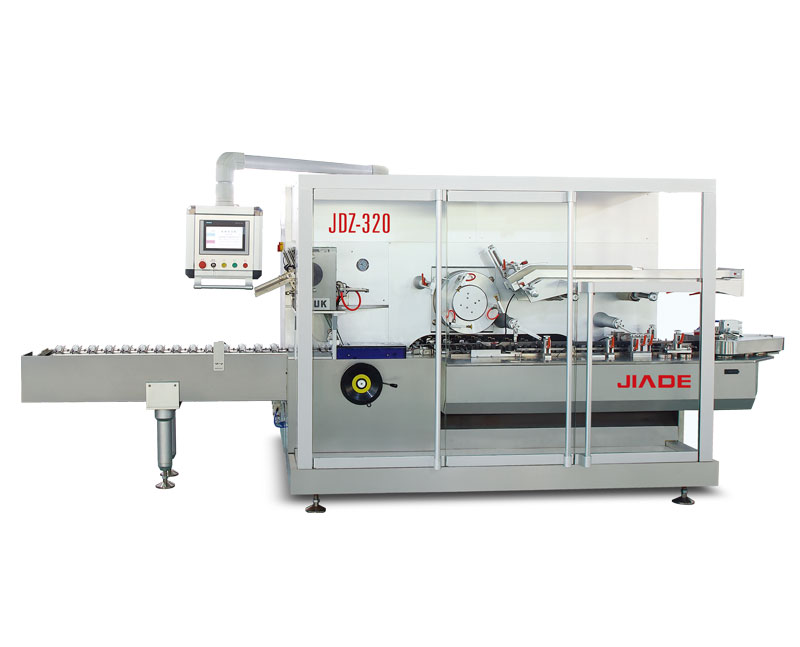

2 Maintenance Hacks That Raised Uptime on an Automatic Cartoning Machine
A maintenance manager at a mid-sized pharmaceutical contract packaging facility recently shared a number that caught my attention. “Our automatic cartoning machine was running at 72% uptime,” he said. “We were blaming the operator. We were blaming the carton quality. Then we changed two things in our maintenance approach—not big capital investments, just smarter routines. Within three months, uptime hit 89%.” His experience is not unique. Across packaging operations, the gap between theoretical machine speed and actual output is often filled by preventable downtime. And the root cause of that downtime is frequently not machine design or product quality—it is maintenance that is reactive rather than preventive, calendar-based rather than condition-based.
This article shares two practical maintenance hacks that have proven effective on automatic cartoning machines, drawn from real facility results. Each hack focuses on what you can do with existing equipment, starting tomorrow.
Hack #1 – Stop Guessing: Use Predictive Data Instead of Calendar Schedules
The most common maintenance approach in packaging lines is calendar-based: “Change this belt every three months. Lubricate that chain every month. Replace these suction cups every six months.” This approach sounds disciplined, but it creates two problems. First, you may be replacing components that still have useful life, wasting time and materials. Second—and more critically—a component may fail well before its calendar interval, causing unplanned downtime that could have been prevented.
What the Data Shows
According to a 2022 reliability study published by the Society for Maintenance and Reliability Professionals (SMRP) , calendar-based preventive maintenance catches only about 55% of impending failures before they occur. The remaining 45% either fail early (causing unplanned downtime) or are replaced unnecessarily (wasting maintenance labor and parts).
The Hack: Let the Machine Tell You When It Needs Attention
Modern automatic cartoning machines are equipped with sensors, counters, and diagnostic systems that generate real-time data. The hack is simple: start using that data to trigger maintenance actions rather than relying on a calendar.
| Traditional Calendar-Based Approach | Predictive Data Approach |
|---|---|
| Replace vacuum suction cups every 3 months | Monitor vacuum pressure at the pick head. Replace cups when pressure drops below threshold (indicating wear or cracking). |
| Lubricate transport chain every month | Track motor current on the chain drive. When current increases by 15% from baseline, lubricate or adjust tension. |
| Inspect folding rails quarterly | Monitor rejection rate for “flap not closed” errors. An upward trend indicates rail alignment or wear issues. |
| Change timing belts annually | Log total operating hours and peak torque events. Replace based on actual usage, not arbitrary dates. |
How One Facility Implemented This
The packaging facility mentioned earlier had an automatic cartoner that was experiencing frequent jams at the product loading station. The calendar schedule said to inspect the loading pusher mechanism every two months. But when the maintenance team started logging jam frequency by shift, they noticed a pattern: jams increased steadily over a 10-day period after each lubrication of the pusher guide rods.
The lubricant they were using (a general-purpose grease) was attracting dust from the cardboard cartons, creating sticky residue that slowed the pusher. By switching to a dry-film lubricant and monitoring pusher cycle time through the HMI (which increased by 0.02 seconds as residue built up), they could now clean and re-lubricate exactly when needed—every 12–14 days instead of every 30 days. Jam frequency dropped by 70%.
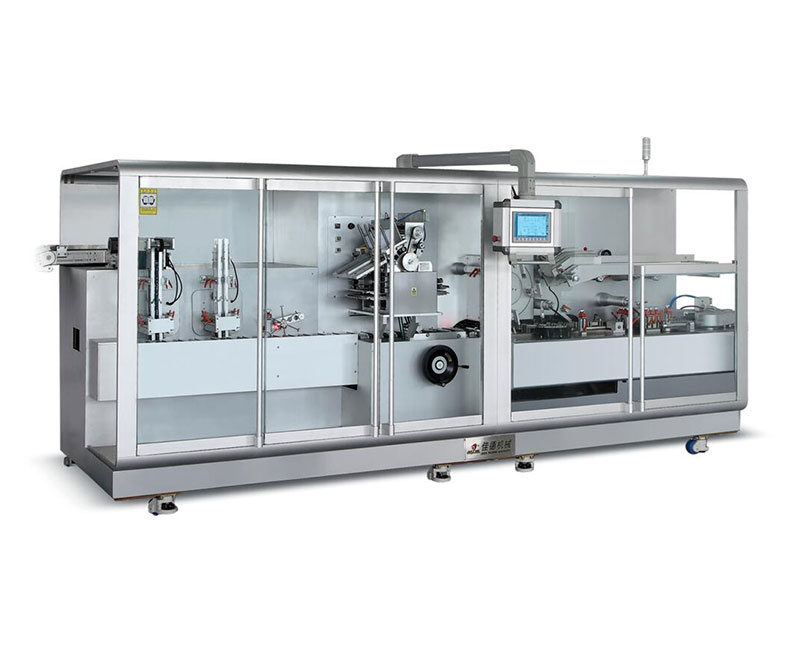
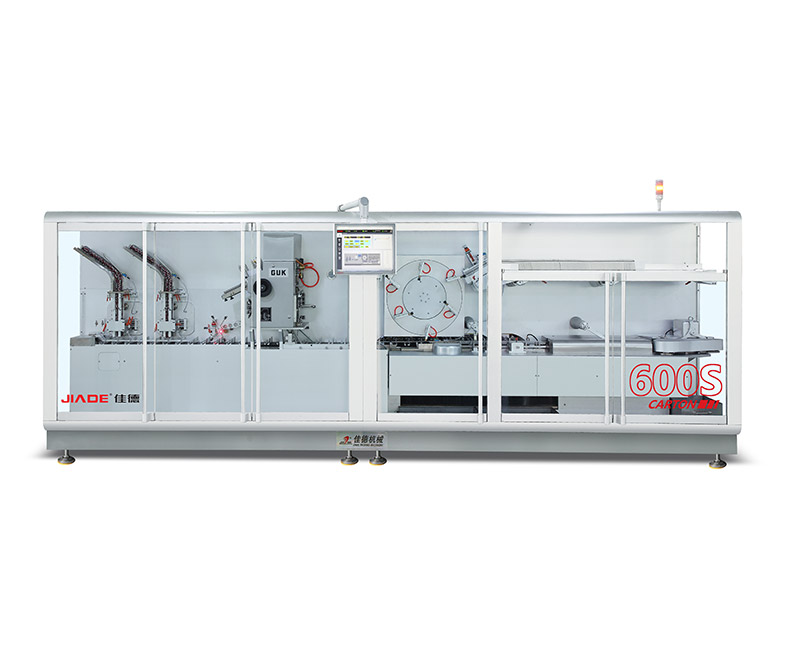
To understand what diagnostic data is available on modern automatic cartoners, you can explore the continuous and full-servo cartoning machine features that include real-time production monitoring and alert systems.
Getting Started with Predictive Data
You do not need a full IIoT (Industrial Internet of Things) implementation to start. Begin with these three low-cost steps:
-
Log rejection codes daily. Most modern cartoners record why a carton was rejected (missing product, flap not closed, coding error, etc.). A spreadsheet tracking these codes by shift will reveal trends.
-
Monitor cycle time or speed consistency. If the machine is rated for 400 cartons/min but consistently runs at 320 to avoid jams, that is a maintenance indicator—not an operator preference.
-
Track the time between unplanned stops. When the average time between stops drops, investigate before a major failure occurs.
Hack #2 – The Five-Minute Daily Visual Inspection That Targets the Three Most Common Failure Points
The second hack is almost embarrassingly simple—and that is precisely why many facilities skip it. A disciplined, five-minute daily visual inspection of three specific areas on an automatic cartoner can prevent the majority of unplanned downtime events.
The Three High-Failure Zones on an Automatic Cartoner
| Zone | What to Inspect | What Failure Looks Like | Prevention Value |
|---|---|---|---|
| Carton magazine and pick-off | Suction cups, picker arm pivot, magazine guide rails | Worn or cracked cups; loose pivot; debris in rails | Prevents “no carton picked” jams |
| Transport chain and carton carriers | Chain tension, carrier fingers, rail alignment | Loose chain (sagging); bent carrier; rail gap | Prevents carton tilt and jams at loading |
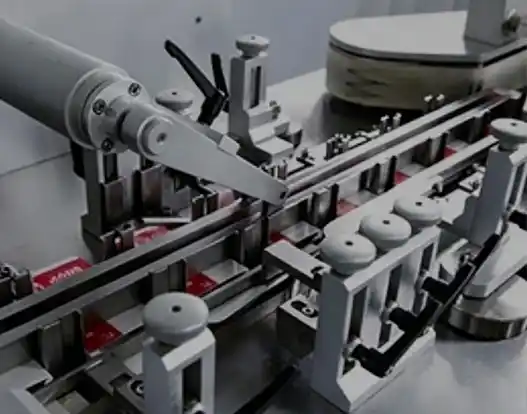
| Product infeed and loading station | Infeed guides, product pusher face, sensor alignment | Worn guide coating; damaged pusher; misaligned sensor | Prevents product misfeeds and “product missing” rejections |
The Hack: A Standardized Five-Minute Walk with a Simple Checklist
The maintenance manager who achieved the 72% to 89% uptime improvement credits this specific routine. Each morning, before the first batch, a technician spends exactly five minutes walking the machine with a laminated checklist on a clipboard.
Daily Visual Inspection Checklist (Sample)
-
Carton magazine (1 minute)
-
Suction cups: all present, no cracks, flexible
-
Magazine guides: parallel, no debris, proper clearance (carton width + 2-3mm)
-
Pick-off arm: moves freely, returns to home position
-
-
Transport section (1.5 minutes)
-
Chain: slight tension (no sagging between sprockets)
-
Carrier fingers: all present, not bent, spring action if applicable
-
Side rails: no gaps at joints, smooth surface
-
-
Product infeed (1 minute)
-
Guides: clean, no scratches or burrs
-
Pusher face: smooth, no adhesive residue, returns fully
-
Photoelectric sensor: clean lens, alignment mark visible
-
-
Closing station (1 minute)
-
Folding rails: secure, no rough edges
-
Glue nozzle (if used): clean opening, no dried adhesive
-
Tucker (if tuck-style): moves freely, no binding
-
-
General (0.5 minutes)
-
Listen for unusual noise (grinding, clicking, squealing)
-
Check for loose fasteners visible on guards or panels
-
Why This Works
Most unplanned stops on automatic cartoners are not caused by catastrophic component failures. They are caused by small degradations that accumulate: a suction cup that has lost flexibility, a carrier finger bent slightly from a previous jam, a photoelectric sensor lens clouded with dust. These individual issues might not stop the machine by themselves. But in combination, they cause intermittent failures that are difficult to diagnose and frustrating to clear.
A five-minute daily inspection catches these degradations when they are still minor. Replacing a $2 suction cup during a planned five-minute inspection prevents a 15-minute unplanned stop later in the shift when a carton fails to pick and the line goes down.
Real-World Result: The “Sticky Friday” Problem Solved
In the same facility, operators had noticed that carton jams were much more frequent on Fridays than on Mondays. The maintenance team could not explain why. The daily inspection checklist revealed the culprit: the folding rails at the closing station were accumulating a thin film of cardboard dust and adhesive residue over the course of the week. By Thursday afternoon, the friction had increased enough to cause intermittent “flap not closed” rejections. On Friday, the reject rate spiked.
The solution was not a major redesign. It was adding a 30-second wipe of the folding rails with a dry cloth to the daily checklist. The Friday rejection rate dropped by 80%. No capital expenditure. No new software. Just disciplined observation.
For facilities running integrated blister and cartoning lines, this same inspection principle applies to the transfer areas between blister output and cartoner infeed. Those transfer points are often the first place where debris accumulates and alignment drifts.
Implementing Both Hacks Together: A Case Study
The two hacks work better together than either does alone. Predictive data (Hack #1) tells you what is trending toward failure. The daily visual inspection (Hack #2) helps you catch where the physical degradation is occurring before the data shows a critical threshold.
Case Study: 18-Month Journey at a Nutraceutical Packaging Facility
| Time Period | Actions Taken | Uptime Result |
|---|---|---|
| Months 1–3 (Baseline) | Calendar-based maintenance only | 72% |
| Months 4–6 | Implemented daily visual inspection (Hack #2) | 79% |
| Months 7–12 | Added predictive data tracking (Hack #1) | 85% |
| Months 13–18 | Refined both; created shift handoff log for inspection findings | 89% |
The facility’s maintenance manager noted an additional benefit: operator engagement improved. When operators saw that their daily inspection findings led to actual maintenance actions—and that those actions reduced the jams that frustrated them—they took ownership of the checklist. The shift handoff log became a source of pride rather than a paperwork burden.
Beyond Hacks: When Maintenance Reveals a Deeper Issue
Sometimes, even disciplined maintenance cannot overcome fundamental machine design limitations. If you find that:
-
Changeover consistently takes longer than 30 minutes despite tool-free features
-
Certain components require replacement far more often than the manufacturer’s guidelines
-
The daily inspection checklist is catching the same issues repeatedly (e.g., “realigned infeed guides” appears every week)
…then the issue may be machine design, not maintenance practice. In that case, exploring automatic cartoning machines with improved reliability features may be the long-term solution.
Similarly, if your facility runs monoblock configurations where blister and cartoning are integrated, the maintenance approach should be holistic—inspecting transfer points within the monoblock requires understanding how the two sections interact.
Next Steps: Starting Tomorrow Morning
Neither of these hacks requires a budget approval, a vendor visit, or a production shutdown. Starting tomorrow morning:
-
For Hack #1: Access your cartoner’s HMI or production log. Identify three data points you can track daily: rejection rate, jam frequency by station, or speed consistency. Start a log.
-
For Hack #2: Print the five-minute inspection checklist above. Assign one operator or technician to complete it before the first batch. Review findings at the daily shift meeting.
After two weeks, review the data. You will likely see patterns you did not know existed—a certain station that jams more on second shift, a rejection code that spikes after changeovers, a wear pattern that points to a specific component.
Once you have established a baseline, you can evaluate whether your current automatic cartoning machine has the diagnostic capabilities and tool-free maintenance features to support an even higher level of predictive maintenance. For facilities considering a line upgrade, reviewing integrated solution architectures can reveal how newer equipment designs reduce maintenance frequency from the start.