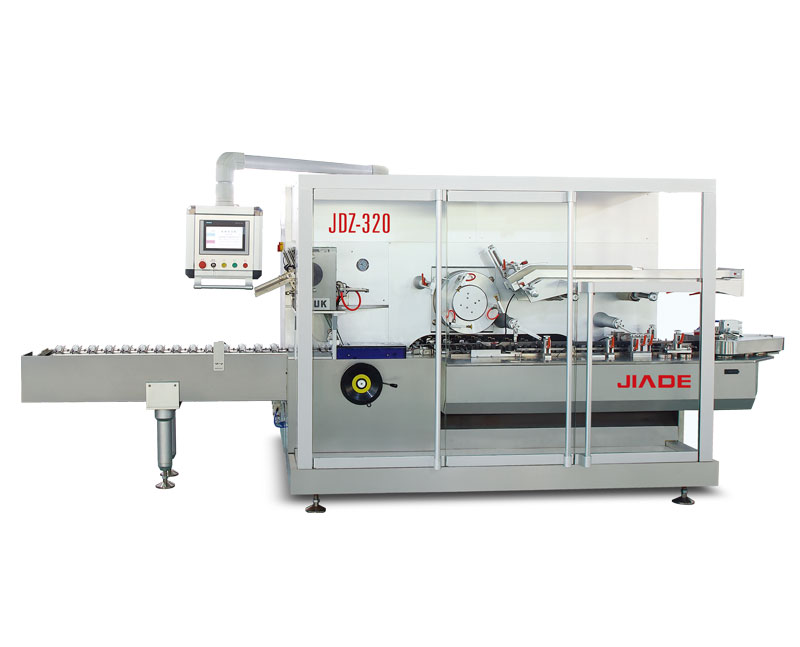

How to pick an automatic cartoning machine for small batches and quick changeover
A contract packaging manager recently described a familiar pain: “We bought a high-speed cartoner because 600 cartons per minute looked great on the spec sheet. But we run 12 different SKUs per shift. By the time we finish a changeover and clear the startup jams, we’ve already lost an hour. The machine that looked so fast on paper is actually our biggest bottleneck.” His experience reflects a growing reality: for manufacturers running frequent small batches and high SKU counts, changeover speed often matters more than peak machine speed.
This guide provides a practical framework for selecting an automatic cartoning machine tailored to small-batch, high-changeover operations—helping you prioritize the features that actually keep your line running.
Why Small Batch Production Is Rewriting the Rules for Cartoner Selection
The shift away from long production runs of a single product is not anecdotal—it is a structural market change. Pharmaceutical manufacturers now face rising demand for smaller, more frequent batches driven by personalized medicine, clinical trial needs, and decentralized distribution models. As demand fragments into smaller batches, margins shrink on variable, low-volume projects; equipment often remains idle, capacity underutilized, and per-unit costs rise.
In parallel, global packaging machinery makers are being tasked with designing compact, easy-to-operate equipment that fits into existing plant footprints and can handle frequent format changes, according to the 2025 State of the Industry report from PMMI, The Association for Packaging and Processing Technologies.
Across manufacturing sectors, the shift toward shorter product cycles, just-in-time production, and localized manufacturing models means that frequent changeovers are no longer exceptions—they are everyday realities.
The key insight: when you run the same format for weeks, peak speed matters most. But when you run multiple formats per shift, changeover time and speed consistency become the dominant factors in your actual throughput.
The Critical Decision Matrix: Speed vs. Changeover vs. Batch Size
The single most common mistake in cartoner selection for small batches is prioritizing rated speed over everything else. This matrix helps you match machine capabilities to your actual production profile.
Machine Type Suitability by Production Profile
| Production Profile | Rated Speed | Changeover Capability | Best Fit For |
|---|---|---|---|
| Continuous dedicated line | High (400–600+ CPM) | Not critical (rare changes) | One product, large batches, few changeovers |
| High-SKU flexible line | Medium (150–350 CPM) | Fast and tool-free (15–25 min) | Multiple formats, daily changeovers, small to medium batches |
| Ultra-flexible/contract line | Low to medium (60–200 CPM) | Extremely fast (under 15 min) | Frequent changeovers, variable batch sizes, high-mix environments |
Why changeover capability matters more than top speed: A machine rated at 450 CPM that takes 75 minutes to change over may deliver less actual output than a machine rated at 220 CPM that changes over in 18 minutes—especially when you run six or more batches per shift.
According to industry case studies, health-sector packaging firms implementing quick changeover programs have cut changeover times by 50%, reduced inventory holding costs, and improved on-time delivery performance. The International Society for Pharmaceutical Engineering (ISPE) has recognized rapid product changeover as a key enabler of operational excellence, with advanced flexible lines capable of managing any packaging configuration without the need for format parts or human intervention—delivering changeovers in minutes compared to hours-long traditional processes.
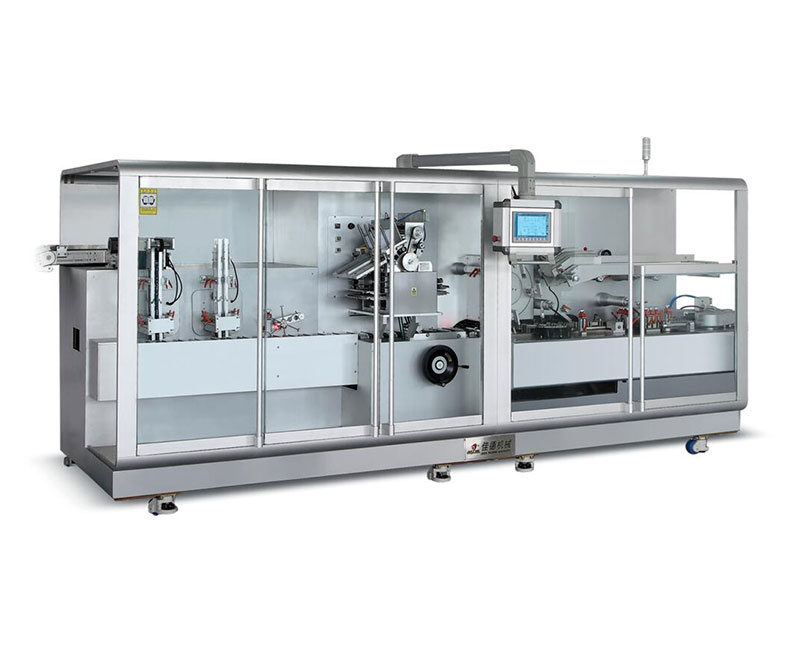
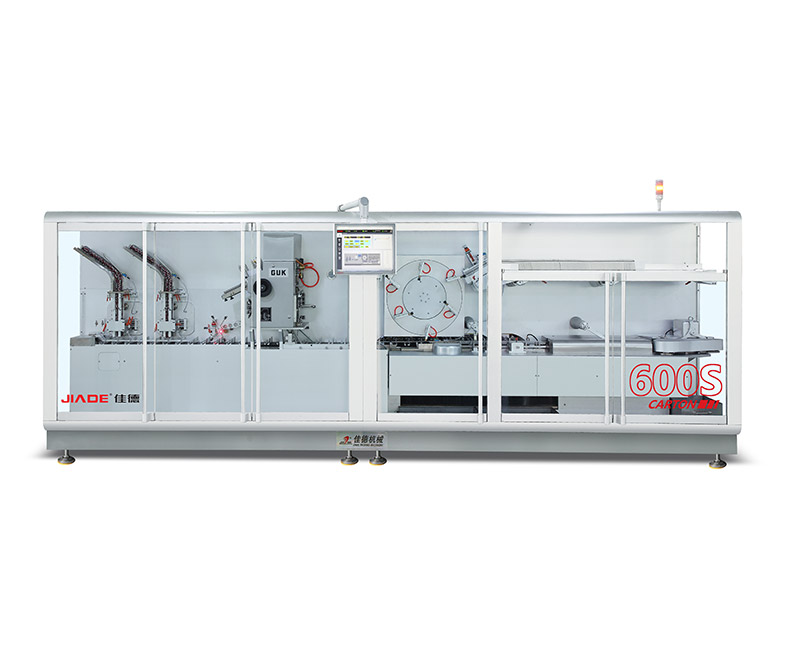
For a deeper look at how modular design principles enable this level of flexibility, you can explore automatic cartoning machine features designed for quick changeover and small-batch flexibility.
Five Essential Questions to Ask Before You Shortlist
Rather than starting with brochures and specifications, begin by answering these five questions about your operation.
Question 1: What is your typical batch size in cartons?
If your batches are consistently under 10,000 cartons, changeover speed will likely be your most important metric. A machine optimized for 600 CPM that takes an hour to change over will spend more time idle than producing.
Question 2: How many changeovers do you perform per shift?
| Changeovers Per Shift | Recommended Focus |
|---|---|
| 1–2 | Speed and reliability—changeover is not the bottleneck |
| 3–5 | Balance of speed and changeover capability |
| 6–10 | Changeover speed is critical; top speed matters less |
| 10+ | Prioritize rapid changeover as primary selection criterion |
Question 3: How wide is your carton size range?
If your formats vary significantly (e.g., from small 35mm cartons to large 100mm+ formats), verify that the machine supports your full range without requiring replacement of major assemblies. Some machines offer a continuous range of carton width adjustability (such as 35–85 mm), allowing tool-free changes across most of your format family without swapping physical change parts.
Question 4: What is your operator skill level?
Fast changeover is not just about machine design—it also depends on operator training. Machines with HMI-guided changeover procedures and digital position memory require less highly skilled labor to achieve fast changeovers compared to fully manual mechanical systems.
Question 5: Do you need validated changeover documentation?
For pharmaceutical and regulated environments, changeovers may require documented validation. Machines with digital recipe storage and repeatable positioning simplify validation compared to fully manual adjustments.
What to Look For: Features That Enable Fast Changeover
When evaluating automatic cartoners for small-batch, high-changeover operations, focus on these specific design features.
Tool-Free or Minimal-Tool Adjustment
Traditional cartoners require wrenches, screwdrivers, and alignment gauges to change carton sizes—often taking 60–90 minutes for a full format change. Modern flexible designs use:
-
Independent mold carriers and guide rails with locking levers (no tools required)
-
Centralized adjustment mechanisms that move multiple components simultaneously
-
Digital position indicators or HMI-stored settings for repeatable setups
The practical benefit: a changeover that once required two technicians and an hour can be completed by one operator in under half an hour.
Servo-Driven Motion Control
In servo-driven cartoners, all key motions are controlled electronically via the HMI. When you change formats, you enter new carton dimensions and the servos automatically adjust timing, positioning, and motion profiles. This eliminates the trial-and-error tuning that plagues mechanical machines.
The practical benefit: first cartons after changeover are more likely to be correct, reducing material waste and verification time.
Digital Recipe Storage
Modern cartoners allow you to save complete setup profiles for each product. When you return to a previously run format, you simply recall the profile—servos and adjustable components move automatically to the saved positions.
The practical benefit: Repeat changeovers become dramatically faster. What took 30 minutes the first time may take 10 minutes on the second run.
Quick-Change Infeed System
The infeed—where products enter the cartoner—is often the most time-consuming part of a changeover. Look for:
-
Quick-release product guides and rails
-
Adjustable flight spacing without tools
-
Modular change parts that can be swapped as assemblies
Four Practical Steps to Evaluate a Cartoner for Small Batches
Step 1: Run a Realistic Changeover Demonstration
Do not rely on manufacturer claims about changeover time. Ask to perform a full format change during a live demonstration. Time it. Note how many tools are required. Observe whether adjustments are intuitive or require a manual. A supplier who is reluctant to demonstrate changeovers may be hiding a cumbersome process.
Step 2: Test Speed Consistency Across Your Format Range
Run the machine at 70–80% of rated speed during the demonstration—this is closer to real-world sustainable operating speed. Observe whether jams increase as speed changes. On servo-driven machines, speed consistency should remain stable; on mechanical machines, timing may drift.
Step 3: Verify the Carton Size Range Without Change Parts
Ask the supplier to demonstrate the full range of carton widths the machine can handle using standard components, without requiring additional change part kits. A wide continuous range (e.g., 35–85 mm) gives you more flexibility without requiring additional investment in change parts.
Step 4: Review Changeover Documentation for Repeatability
For regulated environments, request a sample changeover procedure. Digital recipe storage with position memory enables fast, repeatable changeovers that can be validated—a critical advantage for pharmaceutical applications.
Real-World Application Scenarios
Scenario A: Contract Pharmaceutical Packager
-
Profile: 10–15 changeovers per week, batches from 2,000 to 15,000 cartons, strict GMP requirements
-
Key priority: Fast, repeatable changeover with validation support
-
Secondary priority: Digital recipe storage for multiple client formats
-
Less critical: Ultra-high speed (400+ CPM)—changeover efficiency matters more
For this scenario, exploring customized pharmaceutical packaging solutions for unique formats and validation needs can reveal additional options for special carton shapes and regulatory support.
Scenario B: Nutraceutical Manufacturer with Seasonal Peaks
-
Profile: During peak season, long runs of a single format; during off-season, frequent small batches
-
Key priority: A cartoner capable of both dedicated and flexible operation
-
Benefit of servo-driven design: Can run consistently at reduced speeds during difficult batches and return to peak speed when needed
Scenario C: In-House Packaging for Medical Devices
-
Profile: Small diagnostic kits in limited, high-value runs, delicate product handling required
-
Key priority: Gentle product handling plus fast changeover
-
Secondary priority: Compact footprint for cleanroom environment
For space-constrained lines, monoblock configurations combining blister and cartoning eliminate transfer adjustments—a solution particularly well-suited to small-batch pharmaceutical and medical device manufacturing.
Next Steps: From Selection Framework to Machine Comparison
By now, you should have a clear framework for selecting an automatic cartoning machine for small-batch, high-changeover operations:
| Decision Factor | What Matters for Small Batches |
|---|---|
| Changeover time | 15–30 minutes (not 60–90) |
| Tool requirement | None or minimal |
| Setup method | Digital recipe storage with position recall |
| Speed consistency | Stable across 50–90% of rated speed |
| Operator skill required | One trained operator, not a specialist |
| Validation support | Digital position memory for repeatable setups |
Once you have documented your typical batch sizes, changeover frequency, and format range, the next logical step is to compare specific machine families against these criteria. You can review automatic cartoning machine configurations across different flexibility and speed tiers. For facilities evaluating complete flexible packaging lines that include upstream and downstream integration, exploring integrated packaging solutions for complex production environments can help you understand how cartoner selection fits into a broader strategy.
When you engage with suppliers, bring your changeover log and batch profile. Ask to see a live changeover. Time it. Measure it. A supplier who welcomes this scrutiny is confident in their machine’s real-world performance. A supplier who deflects to a brochure is likely selling peak speed—not productive uptime.
Related Reading
-
How to change format parts on an auto cartoning machine fast
-
What speed range do you need from an automatic cartoning machine?
-
How to evaluate the true cost of downtime in packaging operations
-
Exploring monoblock configurations for space-constrained high-speed lines
-
Understanding quick changeover capabilities in pharmaceutical packaging