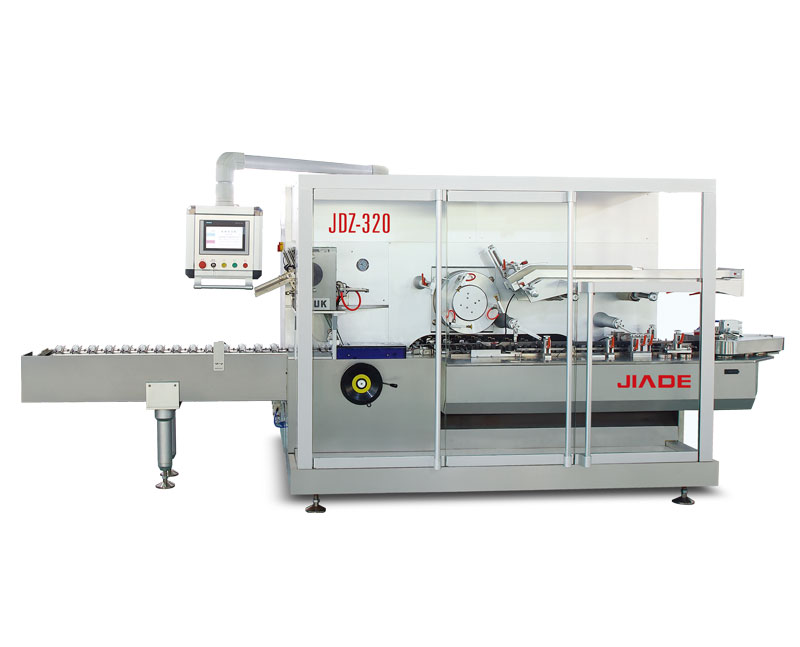

What Speed Range Do You Need from an Automatic Cartoning Machine?
A production director recently shared a telling experience: “We bought a cartoner rated at 500 cartons per minute. On paper, it was perfect. In reality, we run it at 320 because anything faster causes jams, and our upstream line can’t feed it fast enough anyway. We paid for speed we can’t use.” Choosing the right speed range for an automatic cartoning machine is one of the most common pitfalls in packaging line specification. The fastest machine is not always the best machine for your operation. In fact, overspecifying speed can cost you in purchase price, maintenance complexity, and changeover time.
This guide helps you determine what speed range you actually need based on your production volume, batch sizes, upstream capabilities, and operator skill level.
Understanding What “Speed” Actually Means
Before discussing what speed you need, it is important to understand how cartoning machine speed is defined and measured. Not all speed ratings are comparable.
Rated Speed (Nameplate Speed)
The speed published by the manufacturer, typically expressed in cartons per minute (CPM). This is the maximum theoretical speed under ideal conditions: perfect cartons, consistent product flow, no changeovers, and a skilled operator. Most machines achieve their rated speed only during continuous runs of a single format.
Sustainable Operating Speed
The speed at which the machine can run reliably for an entire shift, accounting for normal variations in carton quality, product consistency, and operator breaks. This is typically 70–90% of rated speed for well-maintained machines.
| Speed Type | Definition | Typical Range (% of rated) |
|---|---|---|
| Rated speed | Maximum theoretical under ideal conditions | 100% |
| Sustainable operating speed | Reliable speed under normal conditions | 70–90% |
| Changeover speed | Speed during format change verification (temporary) | 20–30% |
| Ramp-up speed | Speed after changeover before reaching full production | 50–70% |
The user benefit is summarized: When comparing machines, ask for sustainable operating speed, not just rated speed. A machine rated at 600 CPM that runs sustainably at 480 CPM is effectively a 480 CPM machine. A machine rated at 450 CPM that runs sustainably at 430 CPM may be the better choice.
The Hidden Costs of Overspeeding
Choosing a machine with a higher speed rating than you need carries real costs.
| Hidden Cost | Why It Happens | Financial Impact |
|---|---|---|
| Higher purchase price | Faster machines use more precise components, heavier construction, and sophisticated servos | Typically 30–100% premium vs. slower machine in same form factor |
| More complex changeovers | High-speed machines often have more adjustments and tighter tolerances | Longer changeover times erode batch flexibility |
| Higher maintenance costs | More precision components require more frequent calibration and replacement | Higher annual maintenance budget |
| Operator skill requirements | High-speed machines demand more training and experience | Higher labor costs or training investment |
| Upstream starvation risk | Faster cartoner requires equally fast upstream equipment | May force upgrade of blister machine, feeder, or other upstream equipment |
The user benefit is summarized: A machine that is correctly sized for your actual throughput needs will have lower total cost of ownership than an oversized machine, even if the purchase price is similar.
The Small-Batch Exception: When Slower Is Faster
For facilities running frequent small batches (e.g., contract packers with 10–20 changeovers per week), a slower machine with fast changeover may actually deliver higher daily output than a faster machine with slow changeovers.
| Machine Type | Rated Speed | Changeover Time | Batches per 8-hour shift | Approx. Output per Shift |
|---|---|---|---|---|
| High-speed (slow changeover) | 450 CPM | 60 minutes | 3 (if 3 changeovers) | ~54,000 cartons |
| Mid-speed (fast changeover) | 250 CPM | 15 minutes | 6 (if 6 changeovers) | ~72,000 cartons |
Even though the mid-speed machine has a lower rated speed, its faster changeover capability allows more batches per shift, resulting in higher actual output.
Real-World Speed Selection Scenarios
Scenario A: High-Volume Pharmaceutical Manufacturer
-
Daily output: 200,000 cartons
-
Batch size: 100,000 cartons (2 batches per day)
-
Changeovers per week: 10 (Monday–Friday)
-
Recommended speed range: 400–500 CPM rated
-
Rationale: High throughput required; changeovers relatively infrequent; upstream blister line is high-speed
Scenario B: Contract Pharmaceutical Packager
-
Daily output: 60,000 cartons
-
Batch size: 5,000–15,000 cartons (6–12 batches per day)
-
Changeovers per week: 30–50
-
Recommended speed range: 150–250 CPM rated, with fast changeover features
-
Rationale: Changeover speed is more important than top speed; a lower-rated speed with tool-free changeover will outperform faster machine with slow changeovers
Scenario C: Nutraceutical Brand In-House Line
-
Daily output: 30,000 cartons
-
Batch size: 15,000 cartons (2 batches per day)
-
Changeovers per week: 10
-
Recommended speed range: 200–300 CPM rated
-
Rationale: Moderate throughput; some changeovers but not extreme; balance of speed and flexibility
For facilities running integrated blister and cartoning lines, the cartoner speed must match the blister machine’s output. A cartoner that is significantly faster than the blister machine will sit idle waiting for product. A cartoner that is slower will starve the blister machine. Match speeds within 10–20%.
The Role of Servo Technology in Speed Consistency
A machine’s rated speed tells you its peak capability. But speed consistency—how reliably it maintains that speed without jams—is equally important.
| Drive Type | Speed Consistency | Changeover Impact | Typical Application |
|---|---|---|---|
| Mechanical (cam-driven) | Good at single speed; degrades with speed changes | Requires mechanical adjustments for speed changes | Dedicated lines, single product |
| Servo-driven (individual motors) | Excellent across speed range; maintains timing | Speed changes via HMI; no mechanical adjustment | Flexible lines, multiple SKUs |
Servo-driven machines maintain precise timing between stations even when running at reduced speeds. This means you can run at 60% of rated speed during a difficult batch without causing jams. Mechanical machines may become unreliable when run significantly below rated speed.
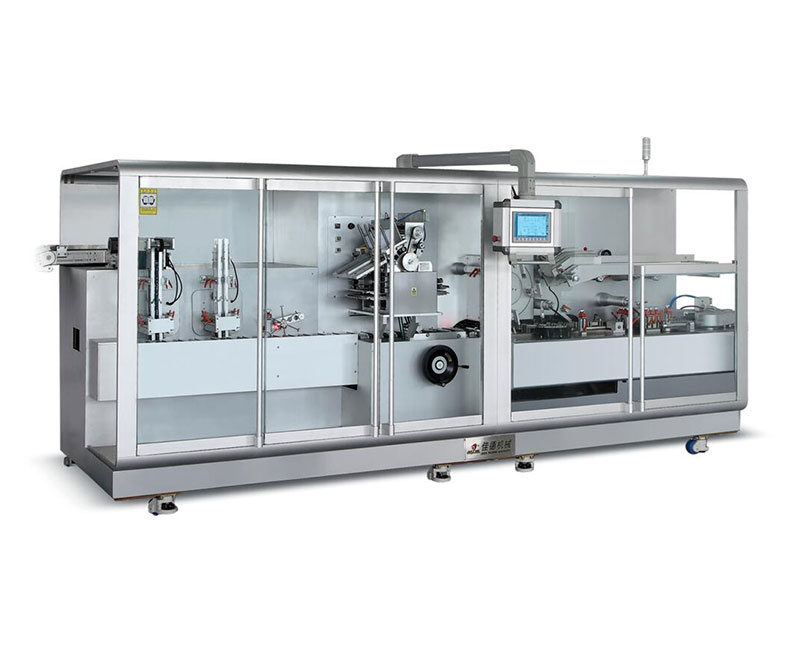
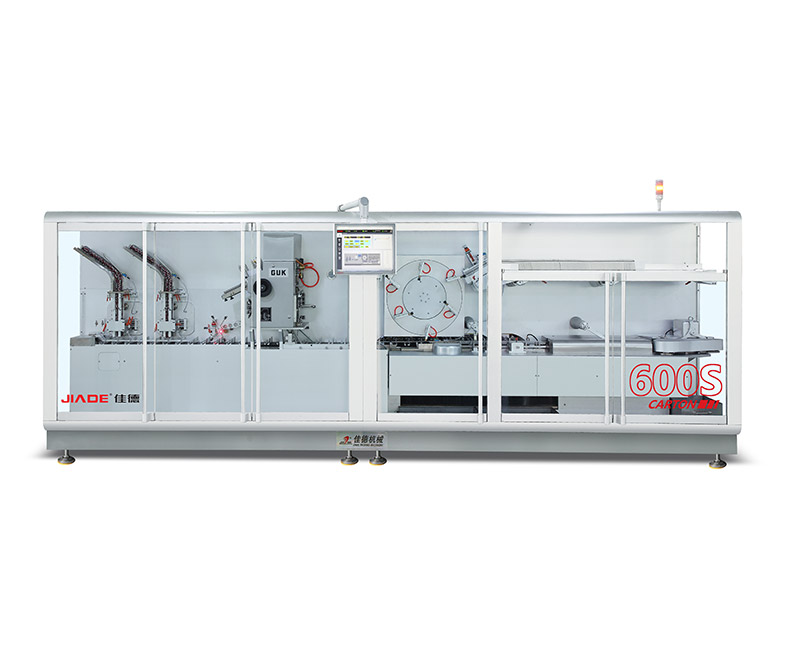
To understand how servo technology enables consistent performance across a wide speed range, you can explore full-servo automatic cartoning machine designs.