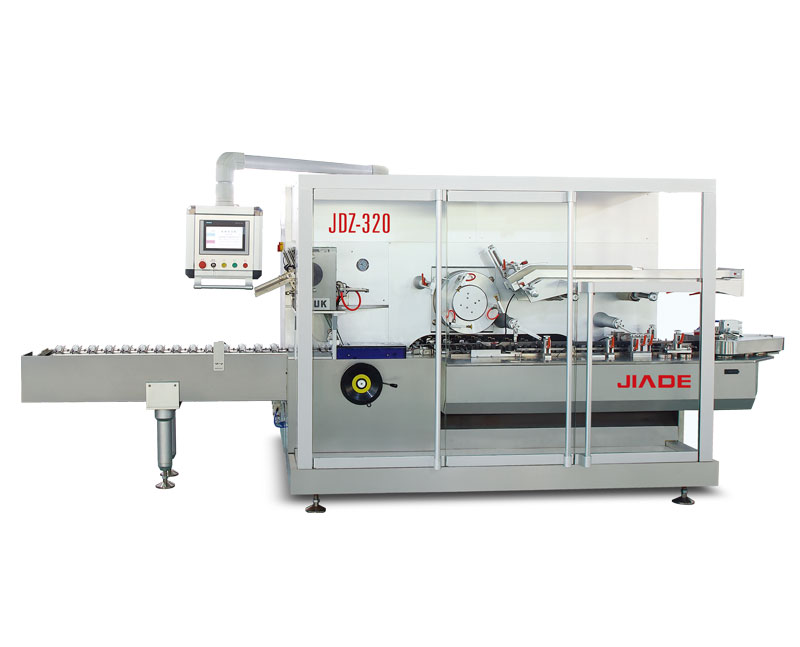

Why is demand for blister packing machines soaring in 2026?
In early 2026, a European nutraceutical manufacturer faced an unexpected problem: orders were increasing, but delivery times kept getting worse. The issue was not production capacity — it was packaging speed.
Their existing line struggled with:
- inconsistent sealing quality
- rising labor costs
- stricter traceability requirements
- and growing demand for eco-friendly materials.
Within six months, the company replaced its ageing system with a modern automated packaging line. Output increased by 38%, rejected products dropped significantly, and operator intervention was reduced by nearly half.
This story is becoming increasingly common across the pharmaceutical, healthcare, cosmetics, and consumer goods industries worldwide.
So what exactly is driving this sudden surge in equipment upgrades in 2026?
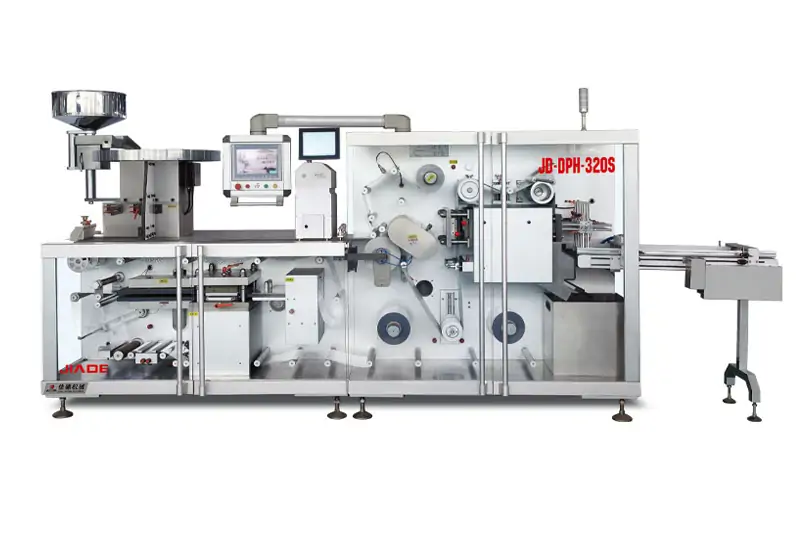
1. Regulatory Pressure Is Becoming More Demanding
Global compliance standards are evolving rapidly.
Organisations such as the U.S. Food and Drug Administration and European Medicines Agency continue tightening requirements around:
- serialization
- tamper evidence
- batch traceability
- and contamination prevention
For manufacturers using older systems, meeting these standards often requires additional manual inspections, which slows production and increases operational risk.
Modern packaging platforms now integrate:
- vision inspection systems
- automatic rejection units
- digital production monitoring
- and real-time data tracking
These features help factories align with GMP and ISO production standards while reducing human error.
For manufacturers evaluating automation-ready production upgrades, many are exploring solutions with integrated servo control and modular tooling systems.
2. Labour Shortages Are Accelerating Automation
One of the less discussed drivers behind packaging equipment demand is workforce instability.
In many manufacturing regions, factories are struggling to recruit and retain skilled machine operators. At the same time, wages continue rising across North America, Southeast Asia, and parts of Europe.
Older packaging systems typically require:
- frequent manual adjustments
- constant monitoring
- and experienced technicians for changeovers
New-generation systems simplify these processes through:
- touchscreen interfaces
- automated feeding
- recipe memory storage
- and servo-driven positioning
The result is shorter training time and more stable production output.
Industry analysts from organisations like PMMI have repeatedly highlighted labour shortages as one of the top reasons manufacturers are increasing investment in automation technologies.
3. Sustainability Goals Are Reshaping Material Choices
Sustainability is no longer only a branding discussion — it is now influencing procurement decisions directly.
Many pharmaceutical and consumer goods companies are transitioning toward:
- recyclable aluminium-based formats
- thinner forming films
- and lower-waste packaging structures
However, eco-friendly materials often behave differently during sealing and forming processes. Older machinery may struggle with:
- inconsistent cavity depth
- weak sealing strength
- or material deformation at higher speeds
This has pushed many manufacturers toward more adaptive packaging systems capable of handling multiple material types without sacrificing efficiency.
Factories producing multiple SKUs are especially interested in flexible systems that support quick format switching and reduced material waste.
4. The Rise of Smaller Batch Production
Five years ago, large-volume production dominated the pharmaceutical packaging industry. In 2026, customisation is becoming far more common.
Manufacturers increasingly produce:
- smaller product batches
- regional packaging variations
- multilingual labeling
- and market-specific compliance formats
This shift requires equipment that can perform rapid changeovers without long downtime periods.
Traditional systems optimised for single-product mass production often become inefficient in these scenarios.
Modern packaging lines now prioritise:
Production Need Traditional Systems Modern Automated Systems
| Production Need | Traditional Systems | Modern Automated Systems |
| SKU Flexibility | Limited | High |
| Changeover Time | Long | Short |
| Digital Monitoring | Minimal | Integrated |
| Material Compatibility | Restricted | Multi-format |
| Maintenance Alerts | Manual | Predictive |
This operational flexibility is one of the biggest reasons demand continues to grow globally.
5. Smart Factory Integration Is No Longer Optional
In 2026, many manufacturers are investing in Industry 4.0 infrastructure.
Packaging systems are increasingly expected to integrate with:
- MES platforms
- ERP software
- remote diagnostics
- and predictive maintenance systems
Instead of functioning as standalone equipment, modern lines are becoming connected production assets.
Factories can now monitor:
- downtime trends
- sealing consistency
- production yield
- and maintenance schedules in real time
For companies expanding internationally, digital traceability also simplifies audits and regulatory reporting.
Manufacturers planning long-term capacity expansion often prioritise systems that support future digital integration rather than focusing only on initial output speed.
6. Faster Product Launch Cycles Require Faster Packaging Adaptation
Consumer healthcare products move much faster today than they did a decade ago.
New supplement formulations, medical devices, and over-the-counter products are entering the market at an accelerated rate.
As a result, packaging departments face increasing pressure to:
- validate new formats quickly
- reduce engineering downtime
- and accelerate production startup timelines
Equipment suppliers that offer modular tooling, fast setup adjustment, and technical support are becoming more attractive to manufacturers operating under tight launch schedules.
This explains why many factories are replacing older mechanical systems even if those systems are still technically operational.
The issue is no longer simply “Can the machine run?”
The real question is:
“Can the production line adapt quickly enough for future market demands?”
Final Thoughts
The surge in packaging equipment demand during 2026 is not caused by a single trend.
It is the result of multiple pressures converging at once:
- stricter regulations
- labour shortages
- sustainability goals
- smart factory adoption
- and faster product development cycles
For manufacturers, upgrading packaging infrastructure is increasingly viewed as a long-term operational strategy rather than a short-term capital expense.
If you want a more professional production experience, it may be worth exploring how Jiade supports automated packaging efficiency, material flexibility, and scalable manufacturing upgrades.
References & Industry Notes:
GMP packaging compliance guidelines from the World Health Organisation
Packaging automation trend reports from PMMI
Sustainability packaging material discussions from the European Medicines Agency
Disclaimer: This article is intended for industry information purposes only. Production requirements may vary depending on regulatory region, product category, and manufacturing environment.