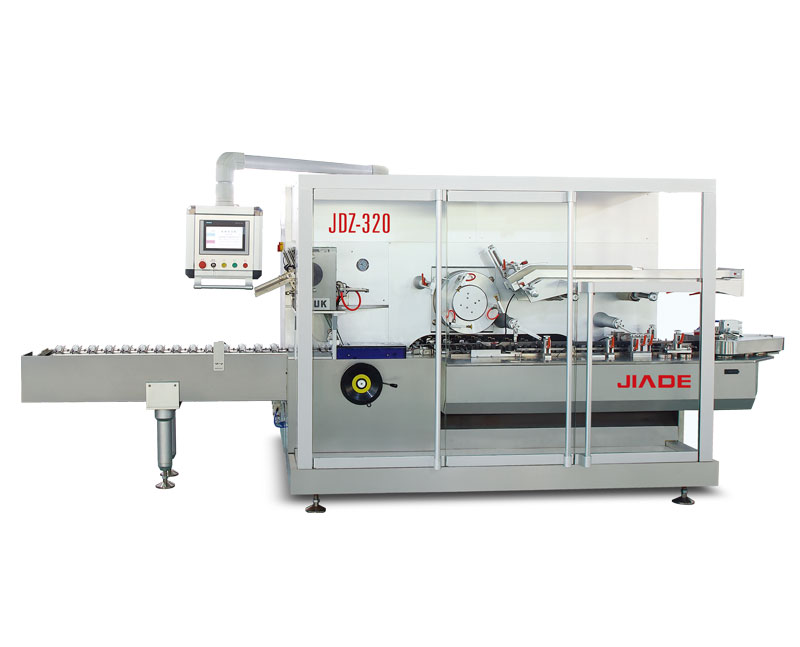

How to choose an automatic cartoner for small batches and quick changeover
The packaging manager at a mid-sized contract pharmaceutical company recently shared a familiar frustration: “We have seven different clients, fifteen SKUs, and our cartoning machine takes over an hour to change between formats. By the time we’re running smoothly, the batch is almost finished.” This scenario is increasingly common as market demands shift toward smaller, more frequent production runs. High-volume, single-product lines are giving way to flexible operations where quick changeover is not a luxury but a necessity. This guide provides a practical framework for selecting an automatic cartoner specifically designed for small batches and rapid format changes, helping you prioritize the features that directly impact your productive runtime.
Why Small Batches Demand a Different Kind of Cartoner
Traditional cartoning machines were designed for a different era—one where manufacturers ran the same product for days or weeks at a time. In that context, changeover time was a minor inconvenience. The machine’s peak speed was the primary metric because downtime for changeovers occurred infrequently.
Small-batch production upends this logic. If you run eight different batches in a single shift, changeover time becomes the dominant factor in your actual output. A machine that takes 90 minutes to change over but runs at 500 cartons per minute may produce less than a machine that changes over in 20 minutes and runs at 300 cartons per minute. The math is straightforward but often overlooked in equipment evaluations.
| Scenario | Machine A (Traditional) | Machine B (Flexible) |
|---|---|---|
| Changeover time | 90 minutes | 20 minutes |
| Rated speed | 500 cartons/min | 300 cartons/min |
| Batches per shift (8 hours) | 3 (if no other stops) | 6 (if no other stops) |
| Approx. output per shift | ~45,000 cartons | ~54,000 cartons |
Despite having a lower rated speed, the flexible machine delivers higher actual output because it spends more time producing and less time waiting.
This shift in priorities is recognized across the packaging industry. A 2023 report from PMMI, The Association for Packaging and Processing Technologies, noted that “flexibility and quick changeover now rank among the top three purchasing criteria for packaging equipment, particularly among contract packers and manufacturers with high SKU counts.” The report further observed that facilities prioritizing changeover speed over raw machine speed reported 20–35% higher overall equipment effectiveness (OEE).
Five Critical Features for Small-Batch Cartoning
When evaluating automatic cartoners for small-batch applications, focus on these five features. Each directly translates into less downtime and more productive output.
1. Tool-Free or Minimal-Tool Changeover
The most direct path to faster changeovers is eliminating the need for tools. Traditional machines require wrenches, screwdrivers, and sometimes partial disassembly to adjust carton size change parts. Modern flexible designs use:
-
Independent mold carriers that slide on precision rails with locking handles
-
Centralized adjustment mechanisms that move multiple components simultaneously
-
Digital position indicators or memorized settings for repeatable setups
What this means for you: A changeover that once required two technicians and 60 minutes can be completed by one operator in under 20 minutes. Over a week with 20 changeovers, this reclaims more than 13 hours of production time.
2. Servo-Driven Synchronization
In a traditional mechanical cartoner, the various motions—carton erecting, product loading, leaflet insertion, closing—are coordinated through gears and camshafts. Changing speeds or formats requires mechanical adjustments. Servo-driven machines use independent electric motors for each motion, controlled electronically.
What this means for you: After a format change, you simply input the new carton dimensions into the HMI. The servos automatically adjust their timing curves and motion profiles. There is no trial-and-error tuning, and the risk of jams during the first run after changeover is dramatically reduced.
3. Wide Carton Size Range
Small-batch operations often handle a diverse range of carton sizes. Before evaluating a machine, confirm its supported range for:
-
Carton width (e.g., 35–120 mm)
-
Carton height (e.g., 15–90 mm)
-
Carton depth/ length (e.g., 60–200 mm)
What this means for you: A wider range means fewer products that fall outside the machine’s capability, avoiding the need for a second dedicated cartoner or outsourcing certain jobs.
4. Quick-Change Infeed System
The infeed—where products enter the cartoner—is often the most time-consuming part of a changeover. Look for systems with:
-
Quick-release product guides and rails
-
Adjustable bucket or flight spacing without tools
-
Compatibility with multiple product types (blisters, bottles, tubes, sachets) using modular change parts
What this means for you: You can switch between packaging blister packs in the morning and bottles in the afternoon without a full rebuild of the infeed section.
5. Integrated Diagnostics and Production Data
For small-batch operations, every minute counts. A machine that provides real-time feedback on production counts, rejection rates, and diagnostic alerts helps you identify issues before they cause extended stops.
What this means for you: When a sensor detects a misfeed, the machine can reject the faulty carton and continue running rather than stopping entirely. When a component approaches its maintenance interval, the HMI displays an alert so you can replace it during planned downtime.
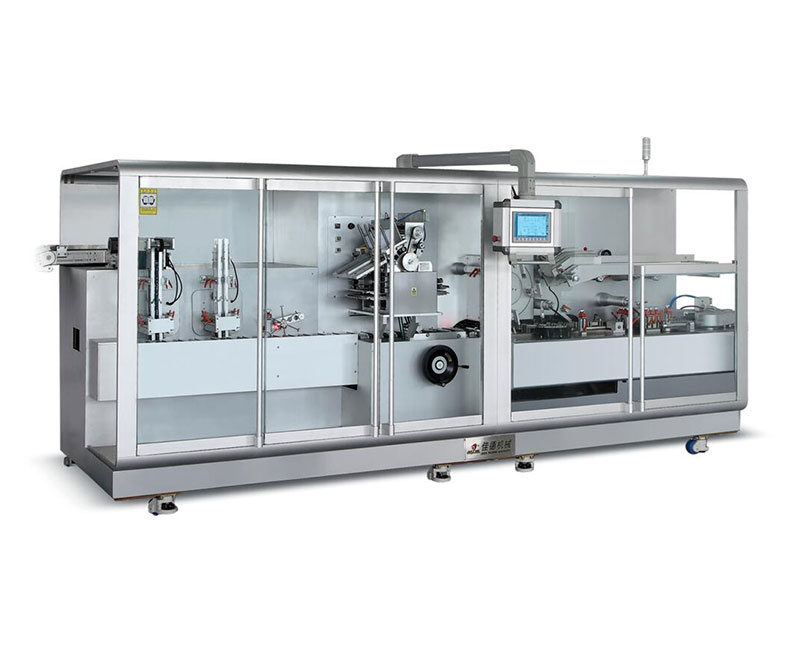
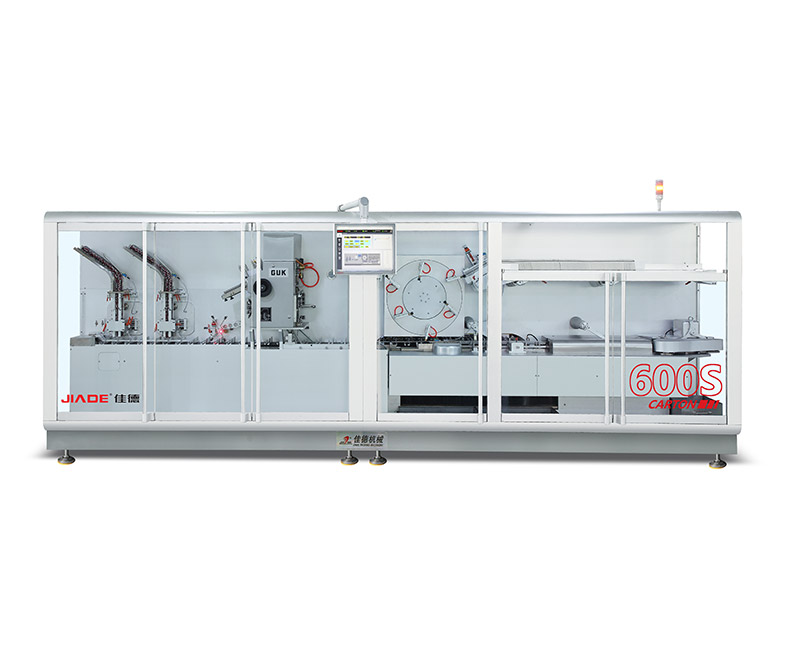
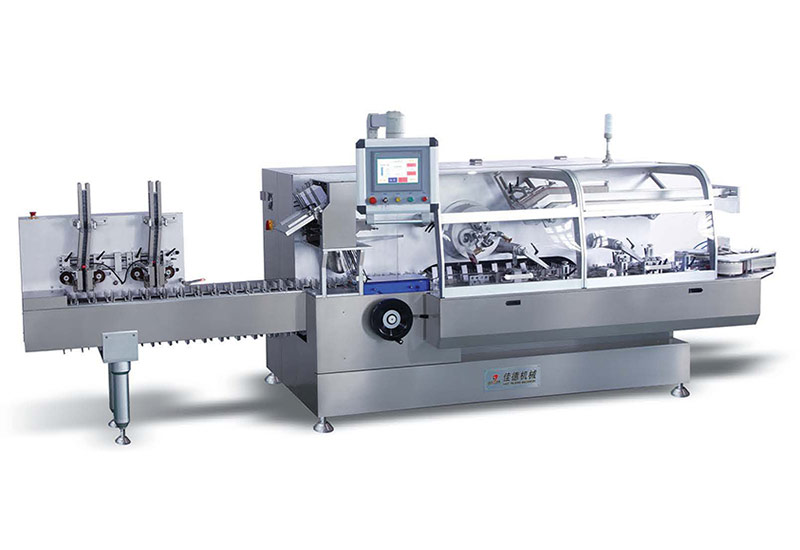
To see how these features are implemented in actual equipment, you can explore the continuous and full-servo automatic cartoning machines designed specifically for flexible, high-changeover environments.
A Step-by-Step Selection Framework
Use this four-step framework to evaluate automatic cartoners against your specific small-batch requirements.
Step 1: Profile Your Production Mix
Before looking at any machine specifications, document your actual production patterns over a typical month:
-
How many unique carton sizes do you run?
-
What is your average batch size in cartons?
-
How many changeovers occur per shift? Per day? Per week?
-
What is your current average changeover time?
-
What is the most common cause of unplanned stops?
This profile becomes your scorecard for evaluating equipment.
Step 2: Define Your Changeover Target
Based on your profile, set a realistic changeover time target. For a facility with frequent changeovers (e.g., more than four per shift), a target of 15–25 minutes per changeover is reasonable for modern flexible cartoners. If your product mix involves extreme size variations or complex infeed configurations, the target may be slightly higher.
Step 3: Test the Changeover Process
During equipment demonstrations, do not just watch the machine run at peak speed. Ask to perform a complete format change. Time it. Observe how many tools are required. Note whether adjustments are intuitive or require a manual. A supplier who is reluctant to demonstrate changeovers may be hiding a cumbersome process.
Step 4: Evaluate Total Cost of Ownership, Not Just Purchase Price
A less expensive machine with slow changeovers may cost you more in lost production within the first year than the price difference with a more flexible machine. Calculate your annual downtime cost using this formula:
Annual Changeover Cost = (Annual changeover hours) × (Hourly line operating cost)
If your line operates at $400 per hour and you perform 500 changeovers per year (roughly 10 per week), reducing changeover time from 60 minutes to 20 minutes saves over 330 hours annually—or more than $130,000 per year in direct costs alone.
Common Mistakes When Buying for Small Batches
Even with a solid framework, buyers often fall into predictable traps. Here are three mistakes to avoid.
Mistake #1: Focusing Only on Top Speed
The most common error is selecting a machine based on its maximum cartons-per-minute rating. For small batches, changeover time and speed consistency (how reliably it runs at its rated speed without jams) are far more important. A slower machine that runs consistently will outperform a faster machine that stops frequently.
Mistake #2: Overlooking the Infeed
The infeed system is where many small-batch operations struggle. A cartoner may change over quickly, but if the infeed—where blisters, bottles, or sachets enter the machine—requires separate, time-consuming adjustments, you have not solved your problem. Evaluate the complete machine, not just the carton transport section.
Mistake #3: Ignoring Operator Feedback
The operators who will run the machine daily have invaluable insights. Include them in the evaluation process. Ask for their input on changeover difficulty, jam clearing, and interface usability. A machine that looks good on paper but frustrates operators will never achieve its potential uptime.
Real-World Application: Three Small-Batch Scenarios
Understanding how different operations prioritize features can help you map your own requirements.
Scenario A: Contract Pharmaceutical Packager
-
Profile: 10–20 changeovers per week, batches from 2,000 to 15,000 cartons, strict GMP requirements.
-
Priority features: Tool-free changeover, servo synchronization for consistent timing, GMP-compliant construction (stainless steel, smooth surfaces).
-
Secondary features: Integration with serialization and track-and-trace systems for compliance.
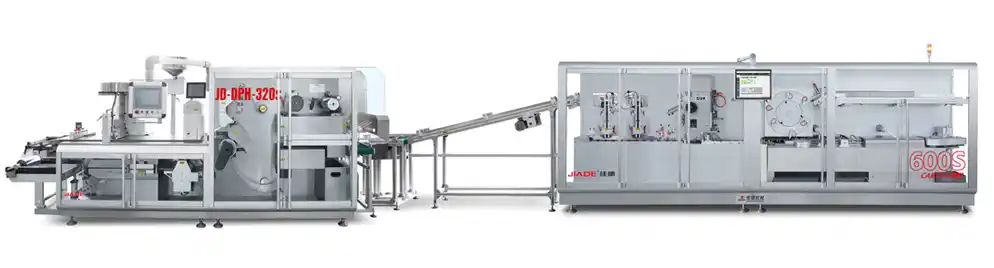
For this scenario, exploring integrated blister and cartoning solutions can reveal how upstream synchronization further reduces total line changeover time.
Scenario B: Nutraceutical Brand with In-House Production
-
Profile: 5–10 changeovers per week, larger batches (10,000–50,000 cartons), moderate variety of carton sizes.
-
Priority features: Wide carton size range, quick infeed changeover, reliable rejection system to minimize material waste.
-
Secondary features: Production data tracking for batch reporting.
Scenario C: Medical Device Manufacturer
-
Profile: Frequent small batches (500–5,000 units), high product value, delicate components requiring gentle handling.
-
Priority features: Gentle product handling, servo-driven precision, quick changeover to minimize non-productive time.
-
Secondary features: Compact footprint for cleanroom environments.
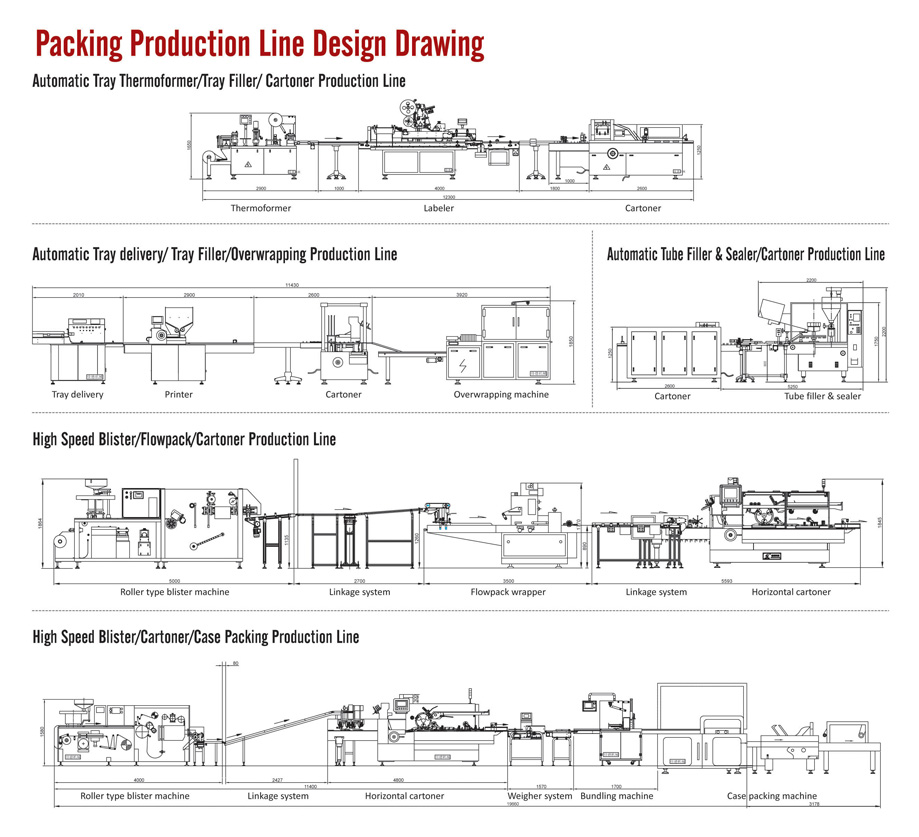
For facilities looking to build a complete flexible line from primary packaging through secondary bundling, reviewing one-stop customized packaging solutions can provide a holistic view of how integrated equipment designs work together.
Next Steps: From Requirements to Shortlist
By now, you should have a clear picture of your small-batch requirements: your typical batch sizes, changeover frequency, critical features, and the cost of downtime in your operation. The next logical step is to translate this profile into a shortlist of suitable equipment.
When you contact suppliers, come prepared with your production profile. Ask specific, behavior-based questions:
-
“What is your documented average changeover time for a carton size change of [your typical range], performed by one operator without tools?”
-
“Show me the HMI interface during a format change. How are dimensions entered and saved?”
-
“How does your infeed system handle [your product type] during changeover? Can I see the quick-release mechanism?”
-
“What diagnostic data does your machine provide to help me predict maintenance needs?”
A supplier who cannot answer these questions or who deflects to a sales brochure is likely selling rated speed, not productive uptime. A supplier who welcomes these questions and offers a live changeover demonstration is confident in their machine’s real-world performance.
Once you have narrowed your options based on the framework above, you can compare the full range of cartoning and blister packaging equipment to see which series aligns with your operational priorities. For specialized pharmaceutical applications, exploring customized solutions for unique carton formats may also be valuable.
Related Reading
-
How to evaluate the true cost of downtime in packaging operations
-
Designing a blister-to-carton line for variable batch sizes and quick changeover
-
Understanding monoblock machine configurations for space-constrained small-batch lines
-
Key GMP considerations when validating flexible cartoning equipment
-
Building a financial business case for flexible vs dedicated packaging assets