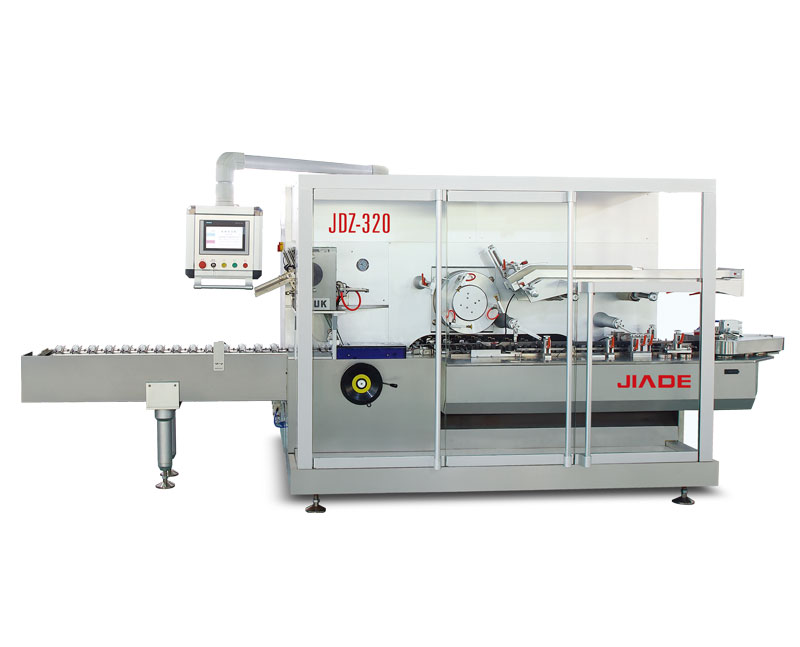

How Often to Lubricate an Automatic Cartoning Machine: A Schedule
Every packaging line manager knows the sound: a faint, rhythmic squeak that gradually grows louder until a cartoner jams at the worst possible moment. You clear the jam, restart the line, and wonder — did we push the grease interval too far again?
Maintenance teams face two opposing risks. Lubricate too rarely, and bearing surfaces wear, chain links stretch, and cam followers develop flat spots. Lubricate too often, and grease builds up inside the carton flight tracks, attracting dust and causing the very jams you were trying to prevent. Neither extreme is acceptable when a single hour of downtime can cost thousands in lost output.
The real question isn’t whether to lubricate cartoning equipment. It’s how to build a schedule that matches your actual operating conditions — not a generic table from a manual that assumes a cleanroom environment when you’re running an Automatic Cartoning Machine 24/7 in a bakery with ambient flour dust. This guide walks through the variables that determine lubrication frequency, provides a framework for building your own schedule, and highlights the one practice that causes more bearing failures than any other.
The Four Factors That Determine Lubrication Frequency
Before you can set intervals, you need to map the variables that make every installation different. A machine running single-shift in an air-conditioned pharmaceutical suite has nothing in common with one running triple-shift in a humid protein bar facility.
1. Component Type and Speed
Not all moving parts are equal. High-speed rotary carton erectors with needle bearings running at 200 cycles per minute require more frequent attention than a slow-moving bucket chain that operates at 30 cycles per minute. Always segment the machine by motion intensity. Rotary vacuum cups on pick-and-place mechanisms, for example, often have separate lubrication requirements from the main drive chain because their seals degrade faster.
2. Operating Environment
Dust, moisture, and temperature swing all accelerate lubricant degradation. A cartoner installed near an oven outfeed or in a washdown area will need its grease analysed — or at minimum, visually inspected — more often than once in a controlled environment. High humidity causes condensation inside bearing housings, which emulsifies grease and reduces its load-carrying capacity.
3. Duty Cycle and Shift Pattern
A machine that starts and stops frequently undergoes thermal cycling that pushes grease out of the load zone. Continuous-run lines are actually gentler on lubrication than intermittent ones. Factor in not just hours per day but the number of start-stop cycles.
4. Lubricant Type and Delivery Method
Lithium complex greases have different relubrication intervals than polyurea greases. Automatic lubrication systems that deliver small, metered doses at set intervals can extend the time between manual interventions by a factor of three or more — provided the system itself is monitored for blockages. This is a topic worth exploring if manual greasing is becoming a labour bottleneck.
Step-by-Step: Building a Cartoner Lubrication Schedule
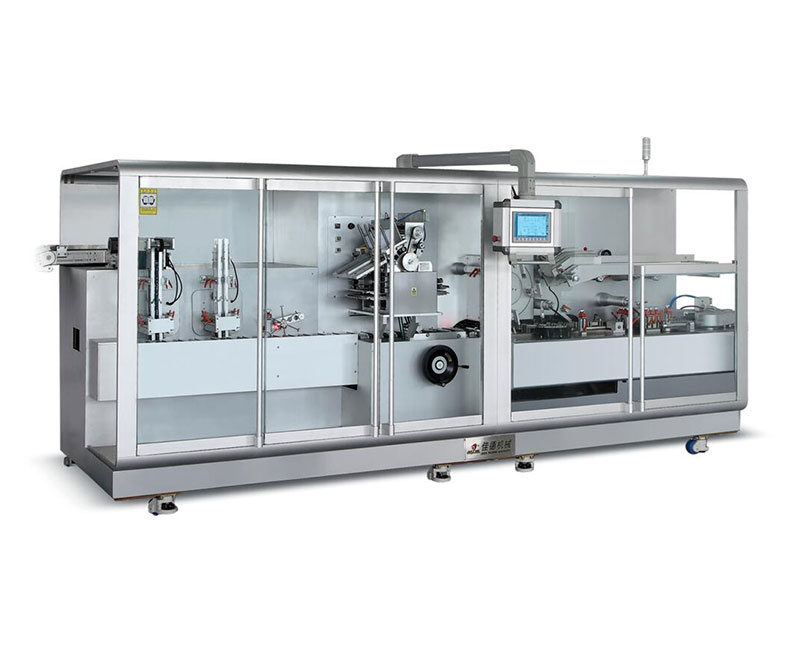
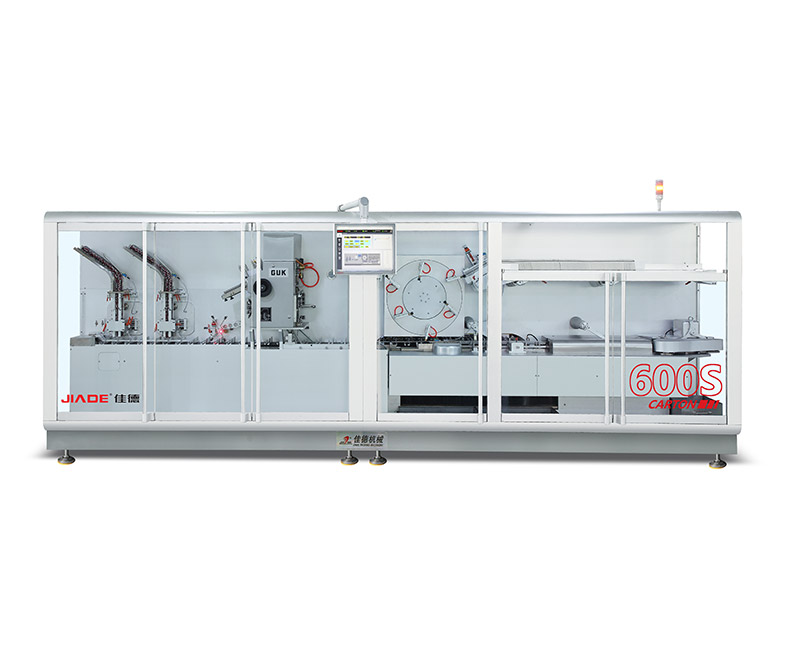
The following approach is based on reliability-centred maintenance principles used across packaging engineering teams. It assumes you have a standard Automatic Cartoning Machine layout: a carton magazine with a rotary pick-off, a product infeed conveyor, a bucket or flight chain, a closing mechanism, and a discharge section.
Step 1: Create a Lubrication Point Register
Walk the machine with its manual open and list every grease nipple, oil sight glass, and chain run. Assign each a unique tag and note the OEM-specified lubricant type. If the manual is vague, consult the bearing manufacturer’s datasheet; major suppliers like SKF or NSK publish relubrication interval calculators based on speed, load, and temperature.
Step 2: Classify Points into Three Tiers
Tier A — Weekly to Monthly: High-speed rotary joints, cam followers on carton opening fingers, vacuum pump vanes if oil-lubricated.
Tier B — Quarterly to Semi-Annually: Main drive chains, bucket chain tensioner bearings, flap closing ploughs.
Tier C — Annually or Longer: Low-speed pivot points on safety guards, manual adjustment lead screws, hoist mechanism on magazine lift (often neglected because it’s not in the main drive path).
Step 3: Set Initial Intervals Based on Environment
Use the OEM baseline as a starting point, then adjust. A cartoner in a dry, ambient-temperature area running two shifts might keep the OEM intervals. One in a washdown area or near a vibrating product distribution system should shorten them by 30–50%. Document the rationale; ISO 55000-aligned asset management requires traceability in maintenance decisions.
Step 4: Implement a Feedback Loop
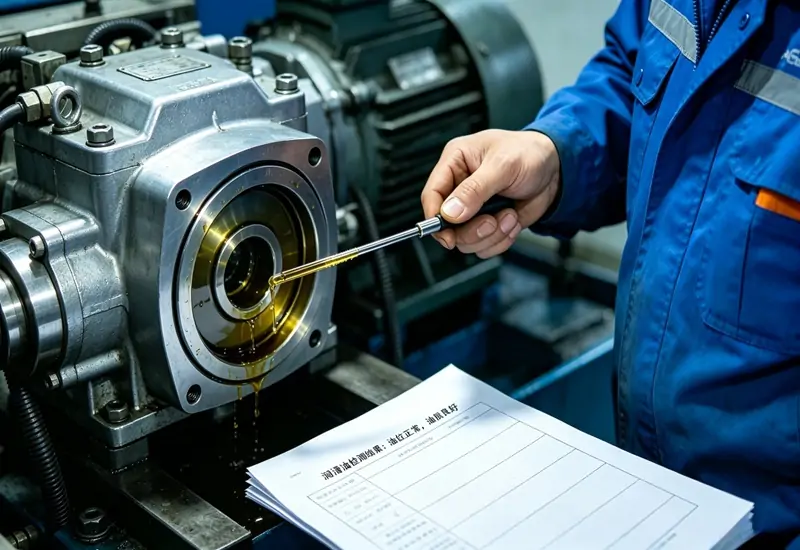
No schedule survives contact with reality. After each lubrication round, have the technician record the condition of the purged grease — colour, consistency, presence of metal particles. Trending this data is the single most underutilised practice in packaging maintenance. It can reveal a failing bearing weeks before vibration analysis picks it up. Adjust intervals accordingly.
The Single Biggest Mistake: Over-Greasing
Packing too much grease into a bearing housing is more damaging than under-lubrication in many cases. Excess grease churns, generates heat, and breaks down the thickener structure. The resulting oil bleed-out leaves behind a hardened soap residue that blocks lubricant from reaching the rolling elements. A 6204-sized bearing running at 3,600 RPM needs about 2–3 grams of grease — roughly the volume of a grape. Many grease guns deliver 3–4 grams per stroke, meaning one full stroke can already exceed the required amount.
For cartoner bucket chain bearings, which are often shielded and run at lower speeds, the rule is even simpler: grease until you feel slight back pressure, then stop. If grease is oozing out of the seals onto the carton flight path, you’ve overdone it and created a contamination risk for packaging materials.
When to Escalate: Signs Your Schedule Needs a Review
- Grease analysis consistently shows viscosity drop or water content above 0.5% within the planned interval.
- Bearing replacements are happening at shorter-than-expected intervals despite following the schedule.
- New product introductions bring changes in carton size or material that alter machine timing and loads.
- You’ve added an automatic lubrication system to part of the machine, but haven’t revised manual greasing points accordingly.
In any of these scenarios, a one-size-fits-all maintenance calendar becomes a liability. The packaging lines that stay ahead of the curve are those that treat lubrication not as a checklist item but as a condition-based activity tied to real operating data.
A Smarter Foundation for Your Packaging Line
Building a sensible lubrication routine is ultimately about keeping your cartoning operation predictable. Downtime, whether caused by a seized bearing or a chain that jumped a sprocket, erodes the output gains that modern lines are designed to deliver. Starting with a well-structured schedule — and the discipline to refine it based on evidence rather than habit — puts reliability back in the hands of the maintenance team.
If you are specifying new equipment or reviewing whether an existing line is designed for maintainability, it’s worth examining how the manufacturer handles lubrication access. Grease points should be reachable without removing guarding, and critical bearing housings should have relief ports to prevent over-pressurisation. You can explore the design features that make routine upkeep faster for Jiade’s cartoning solutions, particularly how lubrication access and automatic dispensing options are laid out.
Beyond just the mechanical design, the difference between a line that requires constant tweaking and one that settles into a predictable rhythm often comes down to how the equipment handles the interaction between product, carton, and motion profile. A platform that adjusts smoothly and maintains alignment over time reduces the incidental wear that forces unscheduled lubrication. To understand what this looks like in practice, see how integrated motion control reduces maintenance demands.
Achieving consistent packaging output is a multi-faceted challenge. Lubrication is just one piece of it. What matters is that every element — from the carton feed to the discharge — is matched to your specific product characteristics and throughput targets. If you’re evaluating what the next step looks like for your line, you can review the cartoning options available to find a configuration that fits your maintenance philosophy and your production reality.
*References and further reading: The SKF General Catalogue provides bearing relubrication interval formulas; ISO 18436-4 covers lubrication analyst certification. The practices described draw from maintenance engineering literature and field experience in packaging line reliability. Always defer to your machine’s OEM documentation for safety and warranty requirements.*