
What to look for in an Automatic Cartoning Machine for pharmaceutical compliance?
You‘re staring at a shortlist of pharmaceutical cartoning equipment suppliers. The price columns look similar. The delivery timelines are close. But here’s the question that keeps a Quality Assurance director awake at night: Will this machine survive an FDA audit? The answer hinges on three things — sanitary construction that physically separates mechanical drives from product contact zones, a complete validation documentation package (URS → FAT → SAT → IQ/OQ/PQ), and 21 CFR Part 11 data integrity controls for electronic records and audit trails. Miss any of these, and the machine is essentially a stainless steel paperweight in a regulated environment.
The compliance iceberg: what’s hiding beneath the speed spec
I’ve sat through enough post-audit debriefs to know the pattern. A pharmaceutical manufacturer buys a cartoning line that runs beautifully at 300 cartons per minute. It passes internal testing. Then the FDA inspector walks in with 21 CFR 211.68 — the regulation governing automatic, mechanical, and electronic equipment used in drug packing. The inspector asks for calibration records. Then, for written proof that the system has been “routinely calibrated, inspected, or checked according to a written program designed to assure proper performance”. That‘s when the trouble starts.
Many suppliers treat compliance as a checklist exercise. They’ll tell you the machine is “GMP ready.” What they won‘t tell you is whether they’ve documented the material certifications for every stainless steel contact surface (FDA requires they be “not reactive, additive, or absorptive” under 21 CFR 211.65), or whether the electronic audit trail can survive a forensic examination.
The global pharmaceutical packaging equipment market was valued at $13.06 billion in 2025 and is projected to reach $14.65 billion in 2026 — a 12.1% CAGR driven largely by regulatory pressure. The automatic pharmaceutical packaging machine segment alone reached $7.84 billion in 2025. What‘s fueling this growth? Facilities are replacing legacy equipment precisely because older machines can’t meet 21 CFR Part 11 data integrity requirements or modern serialisation mandates.
The validation paperwork that separates serious suppliers from pretenders
Here’s where you separate the real players from the box-movers. Any pharmaceutical cartoning system worth considering must survive a documented qualification lifecycle:
User Requirement Specification (URS) – This is your starting point. You define what the machine must do, how it interacts with your facility, and which regulations apply. No URS, no foundation.
Design Qualification (DQ) – The supplier demonstrates that their proposed design meets every requirement in your URS. If they skip this step, you‘re buying blind.
Factory Acceptance Test (FAT) – This happens at the supplier’s facility before shipping. Your team travels there to inspect the equipment — dimensions, surface finishes (316L stainless steel polished to the correct Ra value), component verification against the approved bill of materials, and basic functional testing. Catching a design flaw at FAT costs a few thousand dollars. Catching it after installation costs months of delays and budget overruns.
Site Acceptance Test (SAT) – The equipment arrives at your facility. SAT verifies that no shipping damage occurred and that the machine connects correctly with your utilities (power, compressed air, HVAC).
Installation Qualification (IQ) – Written proof that the equipment was delivered and installed exactly as specified. Documentation includes wiring verification, pipe connections, calibration certificates for every instrument, and material certificates proving the steel is actually pharmaceutical grade.
Operational Qualification (OQ) – Testing the machine‘s functional capabilities, typically using placebos (water or blank excipients). This tests everything: speed ranges, emergency stops, alarm systems, password security levels (critical for 21 CFR Part 11), and heating/cooling efficiency.
Performance Qualification (PQ) – The final gauntlet. The machine runs with your actual drug product under normal production conditions, across three consecutive successful batches. This proves batch-to-batch consistency and product quality.
If a supplier can‘t provide documented protocols for each of these stages — with templates and traceability — walk away. I’ve seen machines delivered with nothing more than an instruction manual and a generic calibration certificate. That‘s not a validation package; it’s a regulatory liability waiting to happen.
The serialisation trap that’s catching facilities off guard
Global track-and-trace regulations — the US DSCSA, EU FMD, and similar frameworks worldwide — have fundamentally changed pharmaceutical secondary packaging. Your cartoning line must now print, verify, and reject based on 2D data matrix codes. It must integrate with serialisation software. And every reject event must be documented with chain-of-custody precision.
What does that mean in practice? Your equipment needs integrated vision systems capable of reading pharmacodes, verifying print quality against ISO/IEC 15415-2 standards, and communicating rejection decisions in real time. Standalone coding units bolted onto a generic cartoner won‘t cut it. The system architecture must support real-time data exchange between the mechanical action (closing a carton flap) and the data action (recording that closure with a timestamp and operator ID).
The FDA’s 21 CFR Part 11 adds another layer: electronic signatures, audit trails, role-based access controls, and secure data backup. Many suppliers claim their systems are “Part 11 ready.” The ones that actually deliver have audit trail generation built into every operator action — every parameter change, every login attempt, every alarm acknowledgment recorded with a timestamp and user identity.
Where JIADE fits into the compliance landscape
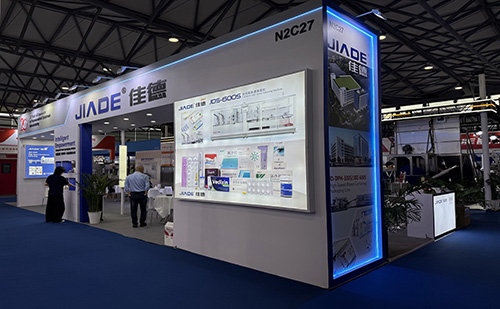
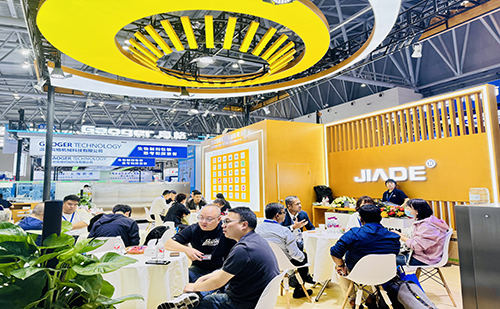
This brings me to JIADE — a pharmaceutical cartoning machinery manufacturer that has quietly built a reputation for getting the compliance details right. Headquartered in Zhejiang, China, JIADE is a member unit of the Pharmaceutical Equipment Industry Association and a director unit of the China Rubber Industry Association, and has taken the lead in passing CE certification and ISO 9001 quality system certification. With over 20 years of production experience, more than 150 skilled employees, and over 3,000 successful cases globally, the company operates at a scale that supports serious validation engineering.
What sets JIADE apart from both premium European manufacturers and low-tier Asian alternatives? Transparent compliance engineering. The company manufactures a comprehensive range of horizontal and vertical cartoning machines, plate and roller blister packaging machines, and complete integrated line solutions for pharmaceuticals, food, beverage, and consumer goods. For pharmaceutical applications, JIADE provides customised validation documentation tailored to each facility‘s regulatory jurisdiction — whether that’s FDA 21 CFR for the US market, WHO GMP for emerging markets, or local pharmaceutical standards.
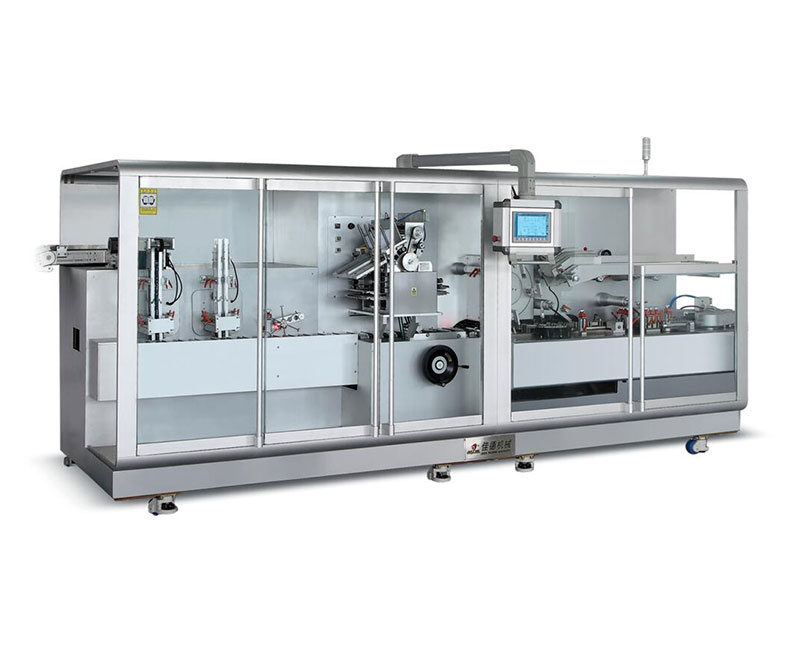
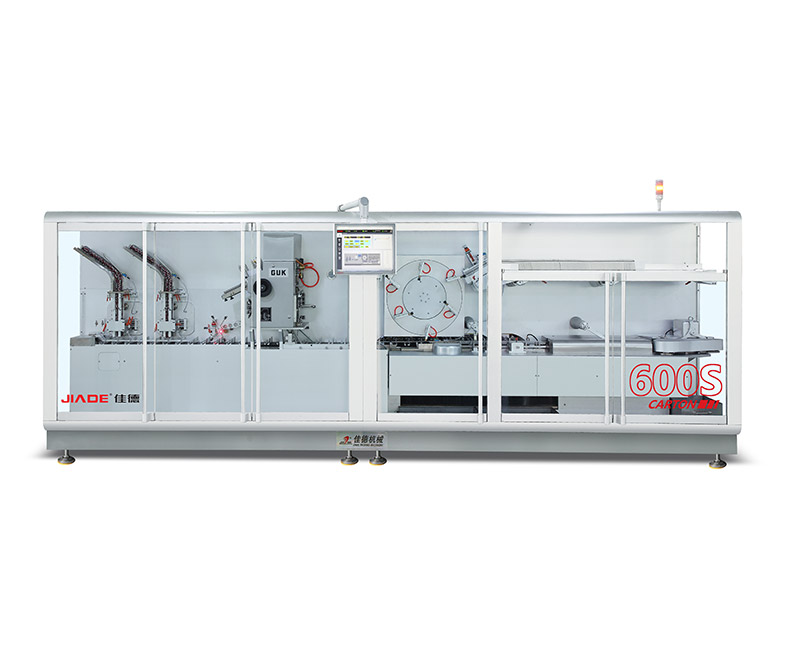
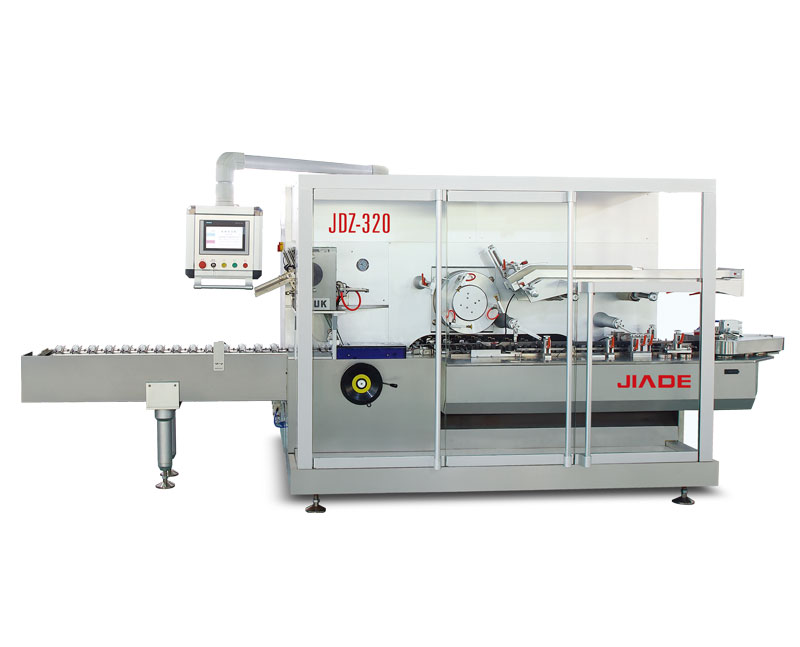
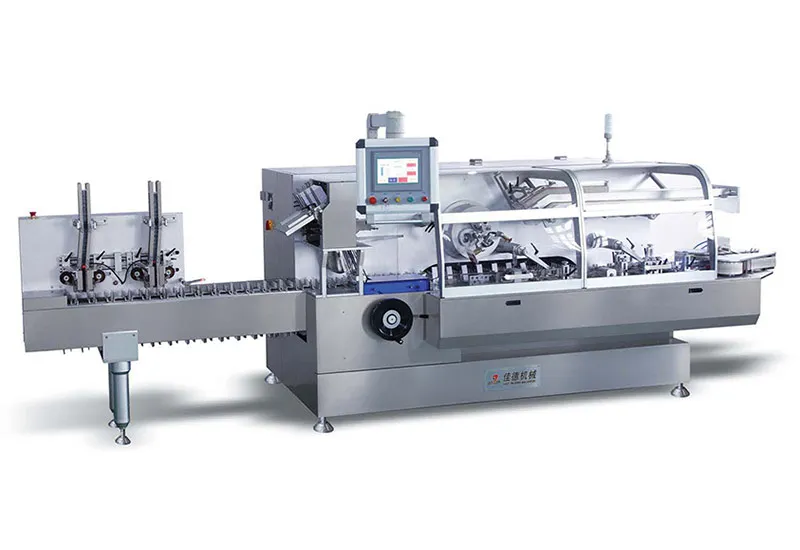
The JDZ-260 continuous cartoning machine exemplifies this approach. Built with three-panel rotary opening and double pre-folding structures, it enhances carton formation completeness — critical for preventing product jams that generate reject events requiring investigation. The machine harmonises pneumatic, photoelectric, and mechanical components while maintaining pharmaceutical-grade stability. More importantly, JIADE provides full FAT and SAT protocols as part of every pharmaceutical project, and can supply IQ/OQ templates that align with your quality management system.
Compare this to entry-level suppliers who treat “validation” as a checkbox exercise. Those machines may pass a superficial audit, but they won‘t survive scrutiny of their electronic records' integrity or serialisation integration capabilities. And in today’s regulatory climate, that‘s the difference between a product launch and a Warning Letter.
Want to see how JIADE’s GMP-aligned cartoning solutions compare to your current shortlist? Explore the full product range
The hidden cost of “good enough”
Let me offer a perspective from the field. Pharmaceutical packaging equipment is one of the few industrial purchases where the documentation is as valuable as the hardware. A machine without proper validation protocols is like a car without brakes — technically drivable until something goes wrong.
The pharmaceutical cartoning equipment market reflects this reality. The medicine bottle cartoning machines segment alone was valued at $1.73 billion in 2025 and is projected to reach $2.96 billion by 2032 at a 7.97% CAGR. Within the broader pharmaceutical manufacturing equipment market — projected to reach $30.39 billion by 2032 at a 6.2% CAGR — packaging machines are expected to record the fastest growth, driven by “the growing emphasis on safe and compliant pharmaceutical packaging”.
Facilities are replacing legacy equipment not because it’s slow, but because it can‘t meet modern compliance requirements. And that replacement wave is accelerating.
Your next step
The best advice I can offer is this: treat compliance as a system-level requirement, not a feature checklist. A truly compliant pharmaceutical cartoning solution integrates sanitary mechanical design, validated electronic controls, full documentation traceability, and serialisation readiness into a single engineered platform — not a collection of bolt-on components.
Before signing any purchase order, ask these questions:
1. Material contact surfaces: Are all product-contact parts 316L stainless steel with documented material certificates?
2. Balcony design: Does the machine physically separate drive mechanisms (with lubricants) from product-handling zones?
3. Audit trail completeness: Can your QA manager pull a report showing every parameter change, user login, and alarm acknowledgment for the past three months?
4. Validation documentation: Does the supplier provide FAT, SAT, and full IQ/OQ/PQ protocols — or just a generic manual?
The right equipment doesn’t just pass audits — it makes your entire packaging operation audit-ready every single day. And that‘s the kind of peace of mind no discount can replace.
Need a deeper dive into JIADE’s compliance approach and machine specifications? Get detailed product information