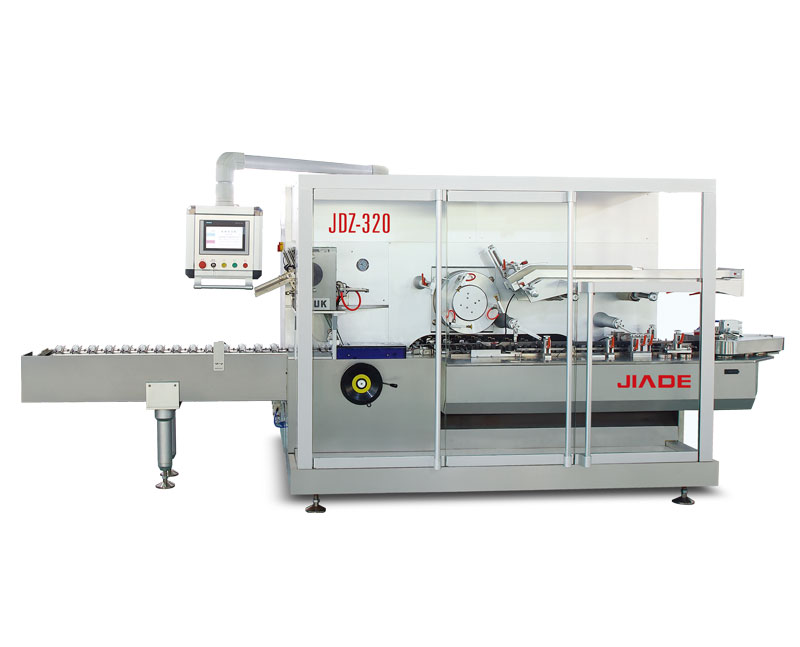

Best Automatic Cartoner for Small Batches and Quick Changeover
For many pharmaceutical and consumer goods manufacturers, the reality of production is shifting. The era of running the same product for weeks on a single high-speed line is giving way to a more dynamic model: smaller batch sizes, more Stock Keeping Units (SKUs), and the need to switch between carton formats multiple times per shift. If a packaging line supervisor’s biggest frustration is watching a high-speed cartoner sit idle while the team spends hours adjusting change parts, you’ve identified the core problem.
This article provides a decision framework for evaluating automatic cartoners specifically for environments where quick changeover and small-batch efficiency are critical, helping you ask the right questions before you compare specific model specifications.
Understanding the “Quick Changeover” Capability: Modular vs. Traditional Design
The single most important feature for a cartoner serving small batches isn’t its top theoretical speed—it’s how quickly and easily it can be reconfigured for a different carton size. Traditional cartoners often rely on complex, tool-dependent change parts that require skilled technicians and hours of downtime. Modern flexible designs address this directly.
-
Traditional Design: Requires wrenches, screwdrivers, and partial disassembly to adjust rails, guides, and folding mechanisms. Changeover time can range from 60 to 120+ minutes, making 10 small-batch runs in a single day impractical.
-
Modular Design (Key for Small Batches): Features independent mold carriers, guide rail systems designed for tool-free adjustments, and central handwheels or digital position indicators. Critical carton dimensions (width, length, depth) can be adjusted simultaneously or in a coordinated sequence.
The User Benefit: A reduction in changeover time from over an hour to 15–20 minutes dramatically changes your production economics. It transforms a cartoner from a dedicated, single-SKU machine into a flexible asset capable of handling the daily demands of a contract packer or a pharmaceutical company with numerous stock-keeping units (SKUs).
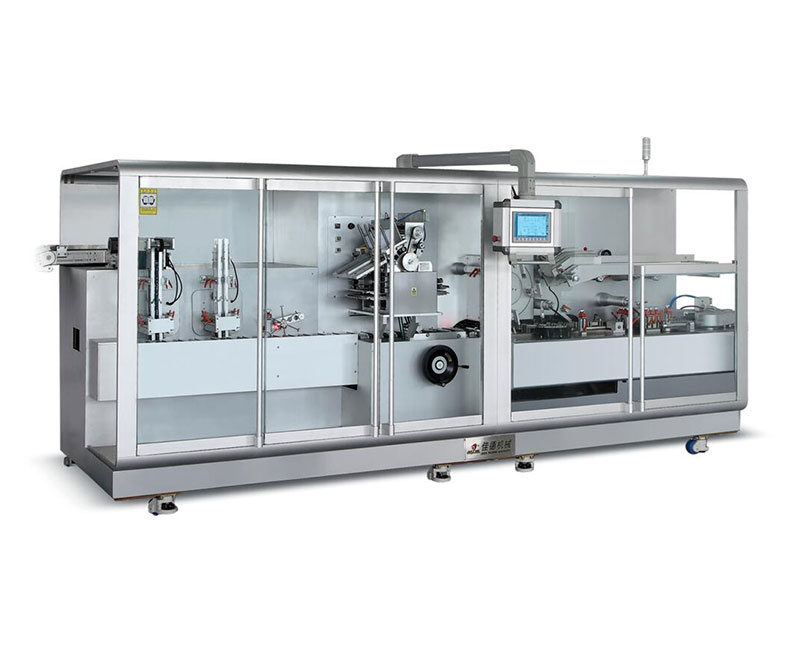
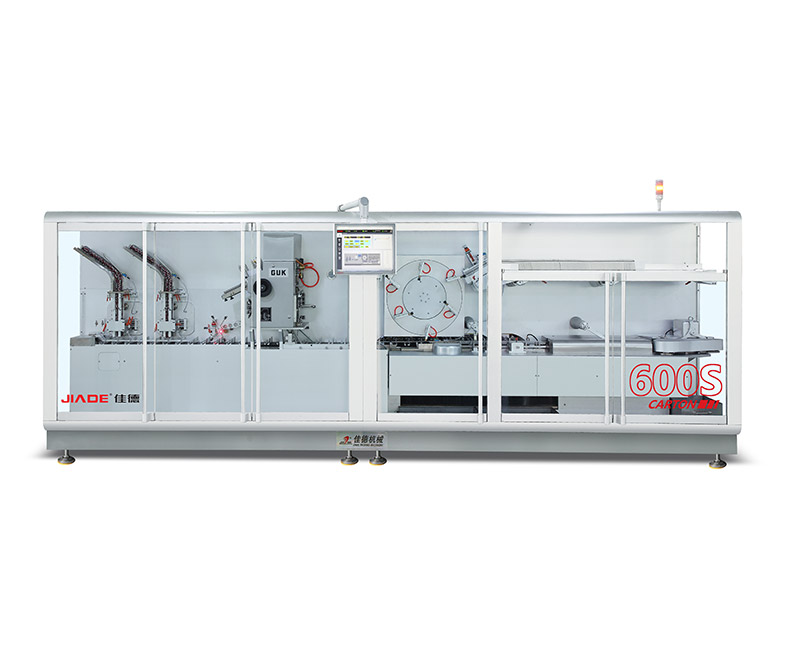
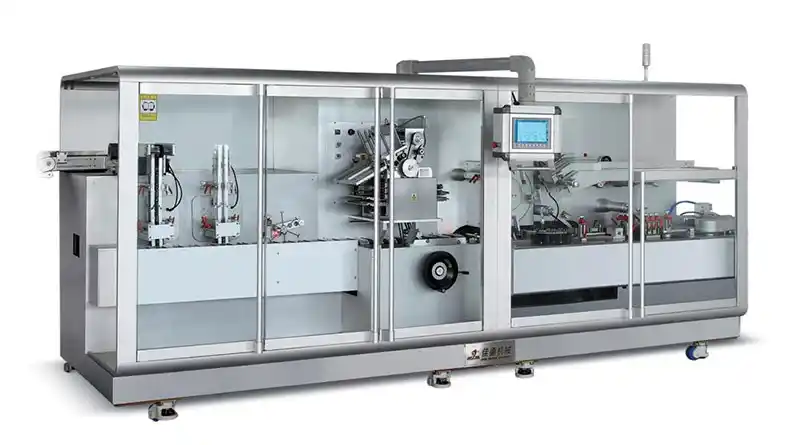
To better understand how this modular design philosophy is implemented in actual equipment, you can review the features of continuous and full-servo automatic cartoning machines designed for flexible production environments.
Three-Step Decision Framework for Small-Batch Cartoner Selection
To avoid being captivated by high-speed numbers that don’t fit your reality, use this three-step framework to evaluate potential automatic cartoners against your actual operational needs.
| Decision Factor | What to Ask / Measure | Why It Matters for Small Batches |
|---|---|---|
| 1. Target Batch Range & Changeover Frequency | What is your smallest typical batch (e.g., 500, 1,000, 5,000 cartons)? How many changeovers per 8-hour shift (e.g., 2, 4, 6+)? | A machine designed for 600 cartons/min is irrelevant if you only run 2,000 cartons before a changeover. You need reliable start-up and minimal waste, not ultimate peak speed. |
| 2. Tool-Free or Digitized Adjustment | Does the machine allow for carton width, length, and depth adjustments without tools? Are positions memorized or indicated digitally? | This directly determines your actual productive runtime. Tool-free adjustments turn changeover from a major event into a routine, fast task. |
| 3. Rejection System & Line Integration Flexibility | How does the cartoner handle misfeeds (e.g., missing leaflets, incorrect products) without stopping the entire line? Can it be easily integrated with upstream (e.g., blister packer) and downstream (e.g., bundler) equipment? | For small batches, a single rejection causing a line stop can eat up your entire margin. A machine with gentle, reliable feeding and a smart rejection system is crucial. |
According to good manufacturing practice (GMP) guidelines for pharmaceutical equipment, validation protocols (IQ/OQ/PQ) are significantly simpler and faster for machines with modular, repeatable changeover procedures, as documented by the International Society for Pharmaceutical Engineering (ISPE). A 2019 technical report from the organisation emphasizes that equipment designed with “quick changeover” as a core principle reduces validation burden by up to 40% for multi-product facilities. This further reduces the hidden cost of qualification for each new product batch.
Common Operational Challenges and How the Right Cartoner Solves Them
If you currently run small batches, you’re likely familiar with these pain points. Here’s how to evaluate solutions.
-
Problem: “The machine is finicky after every changeover, causing jams for the first 50 cartons.”
-
Solution to Evaluate: Look for a cartoner with servo-driven, synchronized feeding. This ensures that the motion profiles for the carton erecting, product loading, and closing stations are precisely timed electronically. After a changeover, the operator inputs new dimensions, and the servos adjust their timing curves automatically, eliminating guesswork and initial jams.
-
-
Problem: “Our team dreads changeovers because they are physically demanding and complex.”
-
Solution to Evaluate: Prioritize machines with independent mold and guide rail systems that use locking handles instead of bolts. The best systems for small batches allow one operator to complete a full changeover, reducing reliance on a single, highly skilled technician. This is a critical factor for managing labor costs.
-
-
Problem: “We waste too many cartons and products during the start-up phase after a change.”
-
Solution to Evaluate: Seek a cartoner with a “sampling mode” or low-speed start-up sequence that allows you to verify the first few cartons are correct before engaging full production. This, combined with a reliable non-conforming carton rejection gate, slashes material waste.
-
Practical Application: Three Scenarios Where Quick Changeover is King
Understanding the theory is one thing; seeing it applied is another. Here are typical scenarios where a flexible cartoner provides a decisive advantage over a standard high-speed machine.
-
Scenario 1: Contract Pharmaceutical Packager. You receive 15 different orders this week, each for a different blister-packed generic drug, each with a unique carton size and leaflet. Your value is your speed and flexibility. A cartoner with 15-20 minute tool-free changeovers allows you to run all 15 batches without overtime. A machine with 90-minute changeovers makes this schedule impossible.
-
Scenario 2: In-House Nutraceutical Brand. You produce a range of vitamin and supplement bottles (different counts, different carton sizes) on the same line. Your focus is on “just-in-time” production to minimize warehouse inventory. A flexible cartoner with reliable, repeatable changeover is the enabling technology for this low-inventory, high-variety model.
-
Scenario 3: Medical Device Manufacturer. You produce small diagnostic kits in limited, high-value runs. Changeover simplicity and gentle product handling are non-negotiable to avoid damaging sensitive components. A servo-driven cartoner with customizable, quick-change infeed systems is the only suitable option.
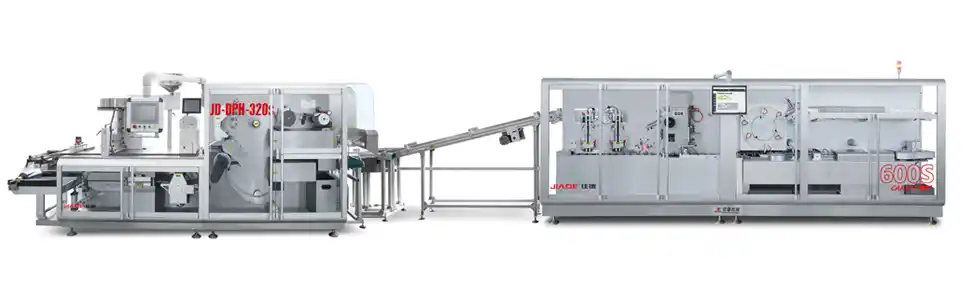
For a more detailed look at how these flexible cartoners are configured within a complete production environment—especially when integrated with upstream blister packaging—you can explore the blister and cartoning integrated solution setups designed for pharmaceutical and nutraceutical applications.
Next Steps: From Selection Framework to Technical Verification
By now, you should have a clear picture of your requirements: your target batch sizes, your acceptable changeover time (e.g., under 30 minutes), and the need for tool-free adjustments and servo-driven synchronization. The next logical step is to take this decision framework to a technical comparison of specific machine series.
You are now equipped to move beyond marketing brochures. When you speak with equipment suppliers, ask them directly: “What is your documented average changeover time for a standard carton size change, performed by one operator?” Use the three-step framework above to evaluate their answers. You can then compare the technical specifications of models that are designed for high-volume, single-product runs versus those engineered for the flexible, small-batch reality of modern manufacturing.
Once you have clarified these key decision factors—batch size, changeover frequency, and line integration needs—comparing the specific specifications of available options becomes the next logical step. You may wish to review the full range of cartoning and blister packaging equipment to see how different series address varying volume and flexibility requirements.
For further guidance on building a complete, flexible line from primary packaging through to secondary bundling, you may find the following guide useful as a subsequent read: Understanding One-Stop Customized Packaging Solutions for complex production environments.
Related Reading
-
How to evaluate the true cost of downtime in packaging operations
-
Designing a synchronized blister-to-carton line for variable batch sizes
-
Key GMP compliance considerations for packaging equipment qualification
-
The role of servo technology in reducing format changeover time