
How to Achieve GMP Compliance in Pharmaceutical Packaging Lines?
In the pharmaceutical industry, GMP compliance isn’t just a regulatory checkbox—it’s a fundamental commitment to patient safety and product integrity. Pharmaceutical packaging lines, as the final barrier between medications and end-users, play a critical role in meeting these strict standards. From preventing contamination to ensuring full traceability, every aspect of packaging operations must align with GMP guidelines to avoid costly fines, product recalls, or reputational damage. Below is a comprehensive guide to navigating GMP compliance for pharmaceutical packaging lines, designed to help manufacturers streamline processes and maintain regulatory alignment.
Understanding Non-Negotiable GMP Requirements for Pharma Packaging
GMP sets forth mandatory standards for pharmaceutical packaging that prioritize safety, consistency, and quality. Three core requirements stand out as non-negotiable for any compliant line:
Seal integrity is paramount—packaging must form an airtight, tamper-proof barrier to protect medications from moisture, contaminants, and degradation. Even minor gaps or inconsistencies can compromise product efficacy and pose health risks to patients. Traceability, another cornerstone, mandates that every packaging component (from blister foils to cartons) and production step can be tracked from sourcing to distribution. This ensures rapid recall capabilities and full accountability in the event of quality issues.
Clean design requirements extend beyond the packaging materials themselves to the physical environment and equipment. Packaging areas must be designed to minimize dust, cross-contamination, and microbial growth, with smooth surfaces, proper ventilation, and segregated zones for different product lines. These requirements aren’t arbitrary—they’re rooted in reducing variability and ensuring that every unit leaving the facility meets the same high standards.
Core Features of GMP-Ready Pharmaceutical Packaging Equipment
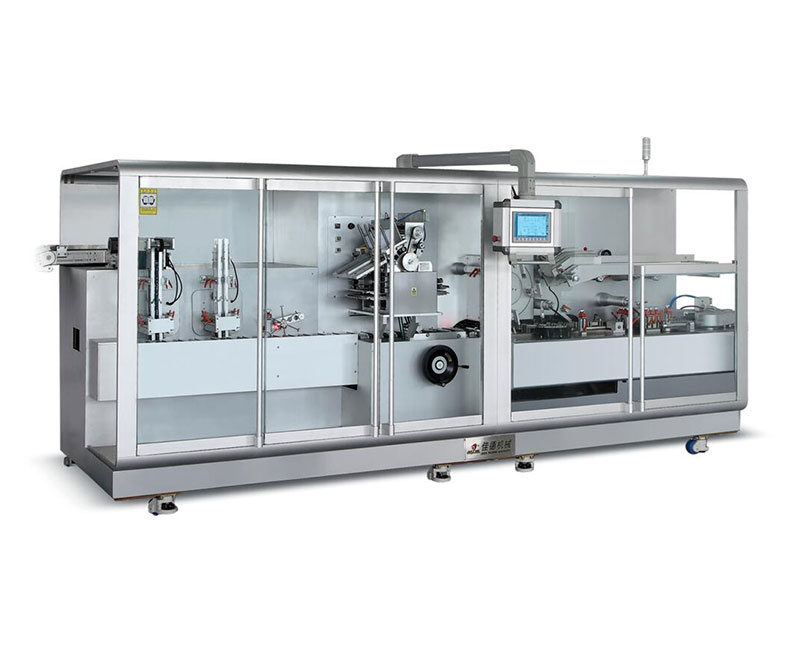
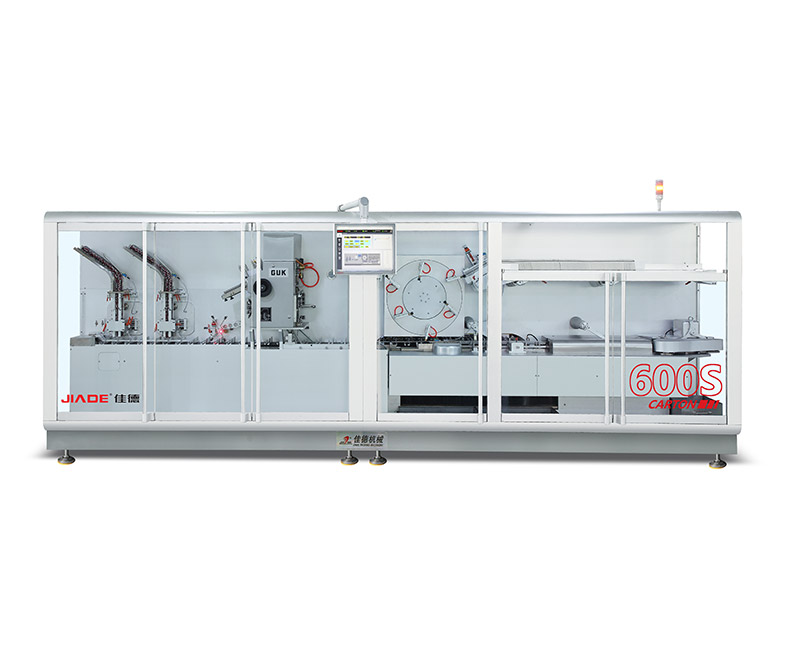
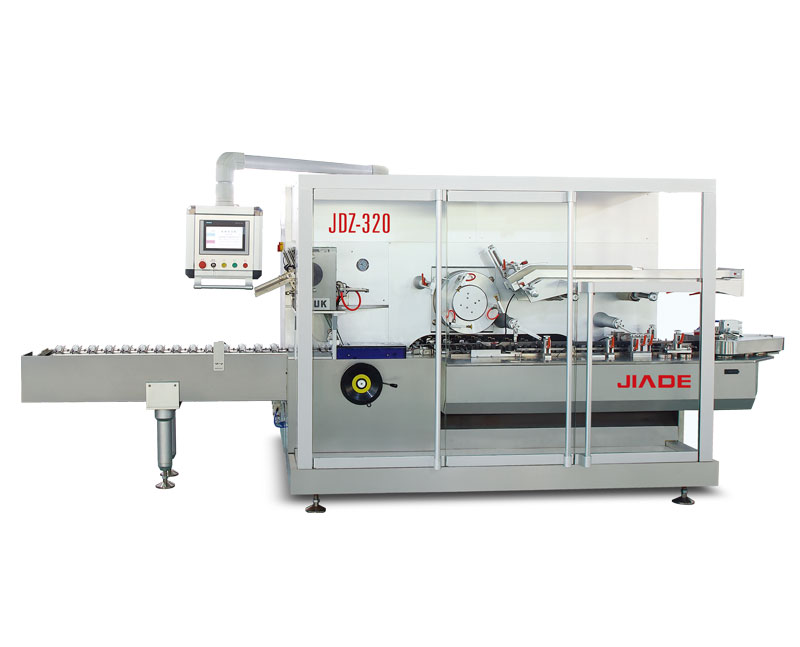
The right equipment is the foundation of GMP compliance, and GMP-ready packaging machines are engineered with specific features to meet regulatory demands. Seamless stainless steel construction is a key characteristic, as it eliminates crevices and joints where dust, debris, or product residue can accumulate—common hotspots for contamination. Unlike traditional materials, stainless steel is also easy to sanitize and resistant to corrosion, making it ideal for cleanroom environments.
Dust and waterproof design is another critical feature, especially in facilities where multiple products are packaged or where cleaning protocols involve high-pressure washing. These designs prevent moisture ingress into sensitive components and minimize dust dispersion, supporting a consistently clean production environment.
Data recording functionality is non-negotiable for traceability. GMP-compliant machines automatically log key parameters—including production times, temperatures, pressure settings, and operator actions—creating a comprehensive audit trail. This data must be securely stored, easily retrievable, and tamper-proof to satisfy regulatory inspectors and facilitate compliance reviews.
Identifying and Addressing Common GMP Compliance Gaps
Even with well-intentioned processes, compliance gaps can emerge, putting manufacturers at risk. One of the most prevalent issues is equipment cleaning blind spots—hard-to-reach areas like conveyor belts, nozzle openings, or machine hinges that are overlooked during routine sanitization. These spots can harbor bacteria or product residue, leading to cross-contamination. The solution lies in proactive equipment design and detailed cleaning SOPs that outline step-by-step protocols, frequency, and verification methods.
Using packaging materials that don’t meet pharmaceutical-grade standards is another common gap. Non-compliant materials may leach harmful substances into medications, fail to provide adequate protection, or lack the necessary traceability features. To address this, manufacturers must implement strict supplier qualification processes, verify material certifications, and conduct regular quality checks on incoming components.
Inconsistent operator training also undermines compliance. Even the most advanced equipment can’t compensate for improper use—such as skipping cleaning steps, adjusting parameters without documentation, or failing to follow gowning protocols. Mitigating this risk requires ongoing training programs that cover GMP principles, equipment operation, and compliance best practices, paired with regular audits to ensure adherence.
The Role of Third-Party Certifications (CE/ISO 9001) in GMP Alignment
Third-party certifications like CE and ISO 9001 are not direct GMP requirements, but they serve as powerful tools to validate compliance and streamline regulatory adherence. The CE mark indicates that equipment meets European Union safety, health, and environmental protection standards—many of which align with GMP’s core objectives. For manufacturers operating in global markets, the CE mark simplifies market access while demonstrating a commitment to quality.
ISO 9001, a quality management system (QMS) certification, provides a structured framework for consistent process control— a key pillar of GMP. Implementing ISO 9001 involves establishing documented procedures, monitoring performance, and continuously improving processes, all of which support GMP compliance. The certification process typically includes a gap analysis, implementation of QMS protocols, internal audits, and a final assessment by an accredited body.
Beyond regulatory benefits, these certifications enhance customer trust and competitive advantage. They signal to partners, regulators, and patients that a manufacturer takes quality and compliance seriously, reducing the burden of individual audits and fostering long-term business resilience.
Practical Steps to Upgrade Packaging Lines for GMP Compliance
For manufacturers looking to bring existing lines up to GMP standards, a phased approach ensures minimal disruption while maximizing results. Start with a comprehensive compliance gap analysis to identify areas of non-conformity—this may involve reviewing equipment specifications, process documentation, cleaning protocols, and data recording systems. Engage cross-functional teams (including quality, operations, and maintenance) to ensure all perspectives are considered.
Next, prioritize equipment upgrades based on risk and impact. Focus first on critical issues like seal integrity or data recording—for example, retrofitting existing machines with seamless stainless steel components, adding automated data logging modules, or upgrading to dust/waterproof designs. When selecting new equipment, verify that it’s explicitly designed for pharmaceutical applications and comes with documentation to support GMP compliance.
Optimize processes to align with GMP requirements. This includes developing detailed SOPs for every step of the packaging process, implementing regular equipment calibration and maintenance schedules, and establishing a robust traceability system that links raw materials to finished products. Training is equally important—ensure all staff are proficient in GMP principles, new equipment operation, and compliance protocols.
Finally, conduct regular internal audits to monitor compliance and identify areas for improvement. Internal audits simulate regulatory inspections, allowing manufacturers to address issues proactively before they escalate. Pair audits with ongoing performance monitoring, using data from equipment logs and quality checks to refine processes over time.
Take Action to Secure GMP Compliance Today
GMP compliance in pharmaceutical packaging is an ongoing journey, not a one-time achievement. By understanding mandatory requirements, investing in GMP-ready equipment, addressing common gaps, leveraging third-party certifications, and following a structured upgrade process, manufacturers can protect patient safety, avoid regulatory penalties, and build trust in their products.
If you’re ready to enhance your packaging line’s GMP compliance, start with a gap analysis to identify your unique needs. Whether you’re upgrading existing equipment or designing a new line, prioritizing compliance from the outset will save time, resources, and potential headaches down the road. For more industry insights, guides, and resources to support your pharmaceutical packaging operations,please contact JIADE to get the most suitable plan for you!!
This article was partially assisted by AI, with human expertise leading content development and refinement.